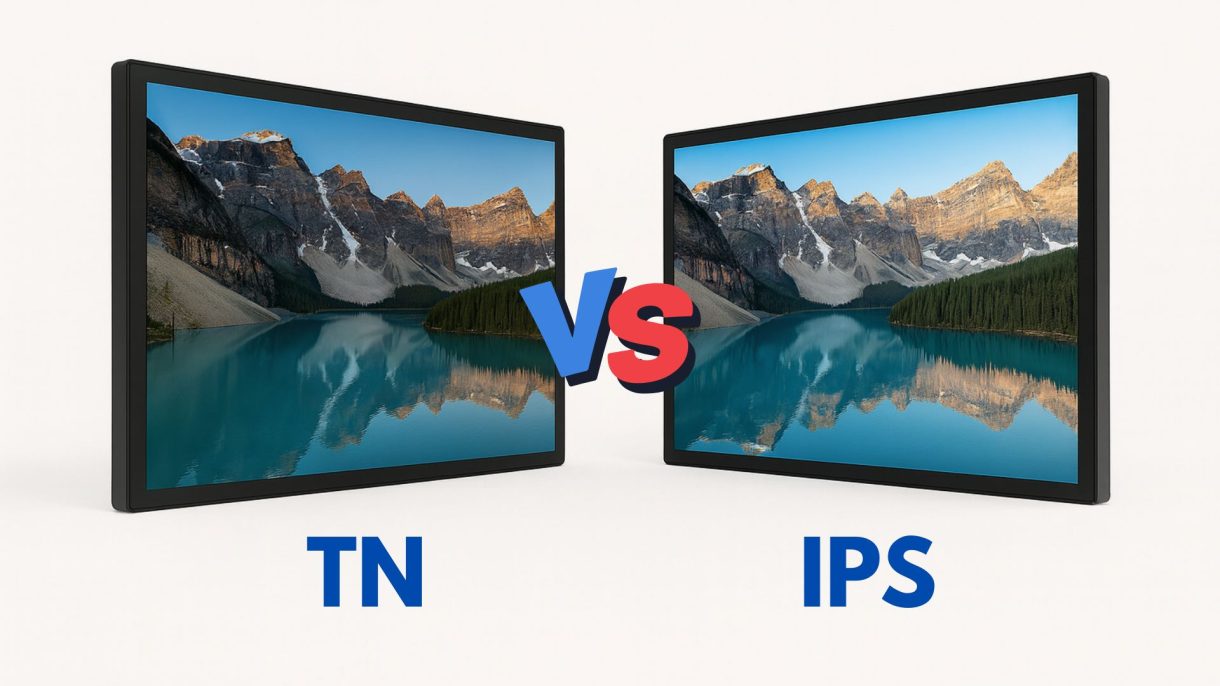
In product development, display selection directly affects both user experience and cost. TN LCD Panel and IPS LCD Display are two common TFT LCD technologies. Each comes with unique characteristics that determine their value in different projects. The question is not "which one is better", but rather "which one fits your project needs".
| Comparison Factors | TN LCD Display | IPS LCD Display |
| Viewing Angle | Narrow — noticeable color shift when viewed from the side | Wide — nearly consistent color and brightness across all angles |
| Color Accuracy | Adequate — supports 262K/16.7M colors, but limited in accuracy and consistency | High — precise and stable, suitable for professional and multi-user applications |
| Response Time | Fast — excellent for high-refresh or dynamic applications | Slightly slower, but sufficient for most industrial/medical use cases |
| Brightness & Contrast Consistency | Moderate — brightness/contrast shift when viewed at an angle | Stable — consistent brightness/contrast even at wide angles |
| Cost | Lower — practical choice for budget-sensitive or high-volume projects | Higher — reflects improved performance, stability, and long-term user experience |
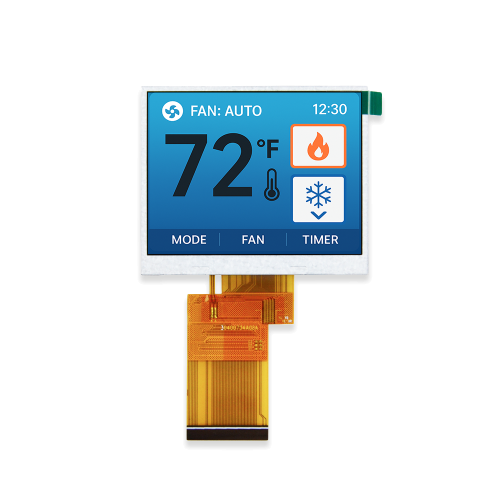
In budget-sensitive projects with simpler interface requirements, LCD TN Panel is often the practical choice:
These applications focus more on cost and delivery speed, and TN LCD Display can help achieve fast deployment.
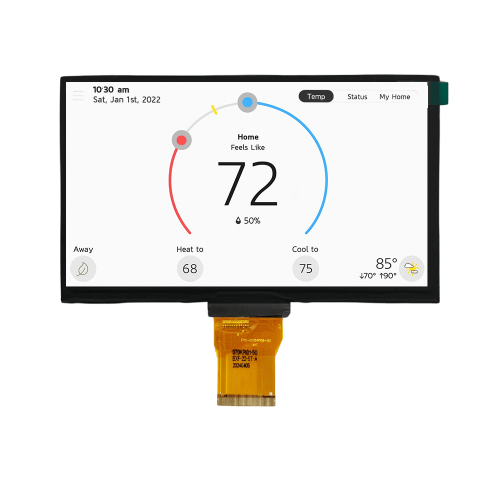
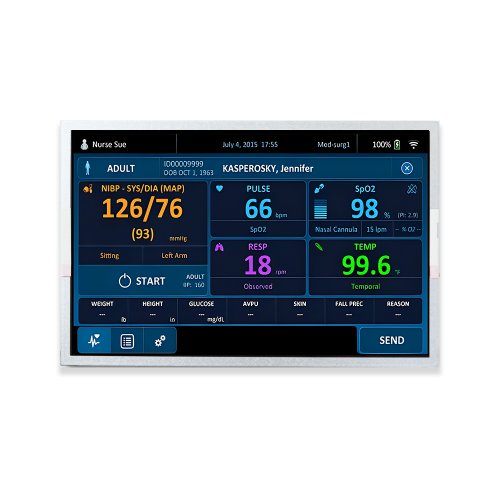
In environments requiring high visibility, accurate color, and consistency, IPS LCD Panels are the safer choice:
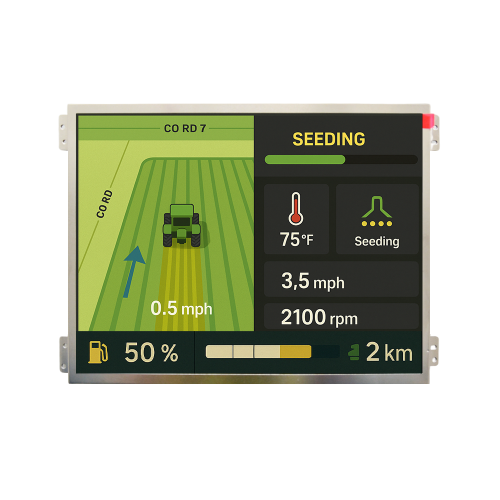
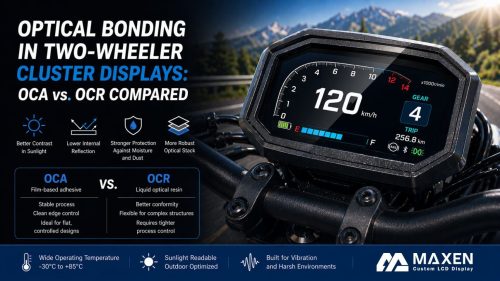
For industrial and outdoor projects, IPS LCD Display is often combined with high brightness backlight, capacitive touch screen, and optical bonding to improve readability, touch performance, and front-panel durability. This makes IPS TFT LCD modules suitable for projects where the display is not only a visual component, but also an important human-machine interaction interface.
In real-world projects, choosing between TN and IPS is only one part of the display selection process. More often, the final decision is influenced by the complete application environment and product design requirements.
For short-term or cost-driven projects, TN LCD may be acceptable. For long-term industrial, medical, or outdoor equipment, IPS LCD is often a more stable choice because it provides better visual consistency and user experience over time.
A lower initial display cost does not always mean lower total cost. If the display causes readability issues, user complaints, or after-sales problems, the final cost may increase. In applications where reliability and user experience matter, IPS LCD panels can help reduce long-term risks.
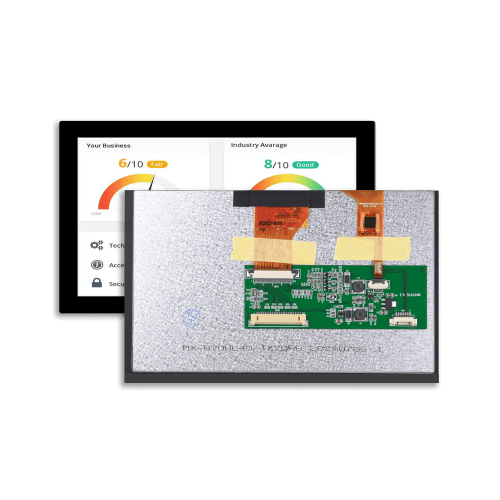
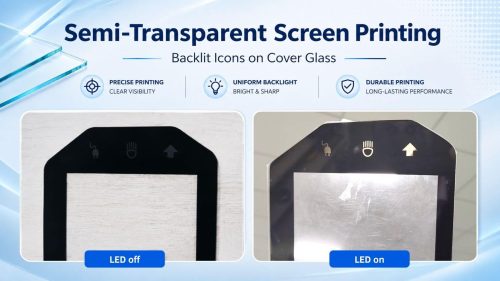
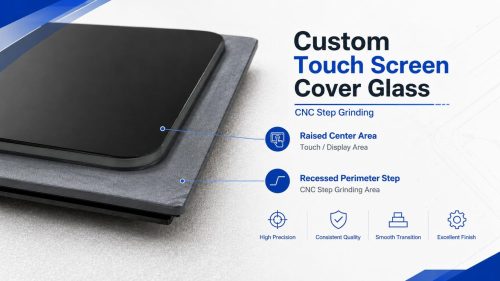
Some projects require high-temperature resistance, sunlight readability, waterproof structure support, or stable operation in demanding environments. In these cases, the display module may need high brightness, wide-temperature design direction, optical bonding, or customized cover glass.
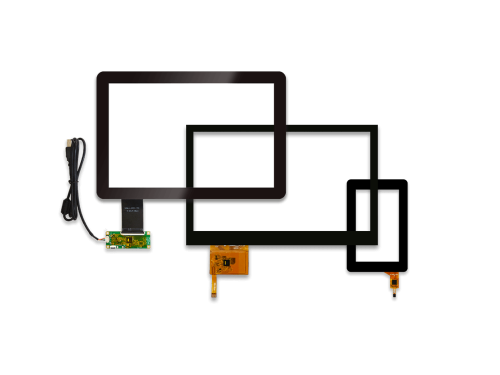
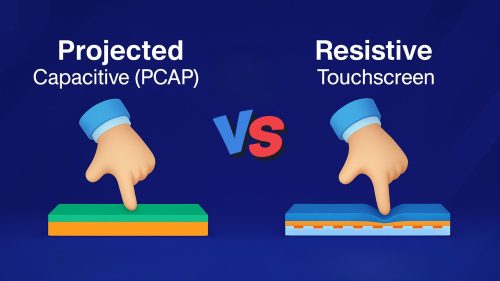
Many modern devices require both display and touch interaction. Capacitive touch screen can be integrated with the TFT LCD module to support more intuitive operation. Depending on the application, the touch screen can also be customized with cover glass, surface treatment, multi-touch function, glove operation, or wet-touch support.
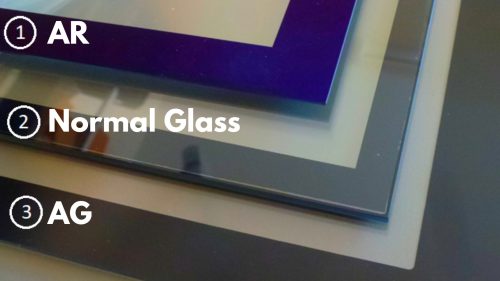
For industrial and outdoor display applications, optical bonding is often used to improve optical clarity, reduce reflection, and enhance the overall display structure. It is especially useful for applications where sunlight readability and front-panel performance are important.
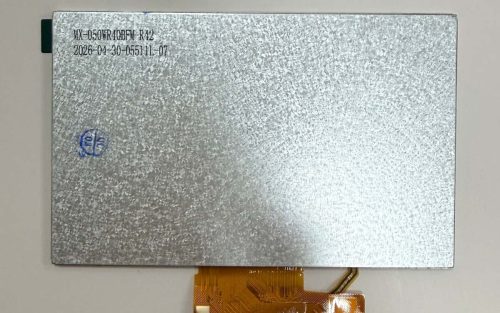
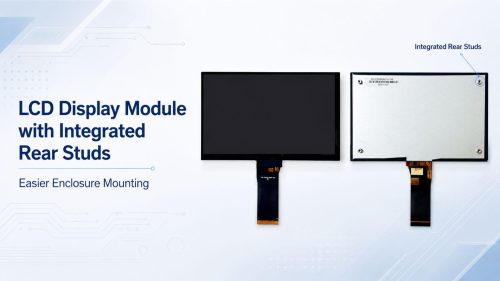
Besides TN or IPS panel selection, engineers may also need to customize size, resolution, brightness, interface, backlight, FPC, cover glass, touch structure, and bonding method. For B2B projects, the right LCD solution should match the electrical, mechanical, and environmental requirements of the final product.
For projects that require IPS LCD display modules, MAXEN can support different customization options according to the actual product requirements.
Available customization directions include:
These options help customers match the LCD module with their mainboard design, enclosure structure, user interface, and application environment.
For industrial HMI, medical equipment, outdoor terminals, EV chargers, and embedded systems, a customized IPS LCD display solution can help improve both product performance and user experience.
The choice between TN and IPS is essentially about project positioning and application scenarios:
At MAXEN, we provide both TN and IPS LCD display solutions. We also support customization in size, interface, brightness, capacitive touch screen, and optical bonding. Whether you prioritize fast mass production or premium applications, our engineering & sales team can provide professional advice and validation support—helping you quickly find the best solution, reduce risks, and accelerate time-to-market.
Contact MAXEN today at sales@maxen-lcddisplay.com and let's work together to find the ideal display solution for your next project.




+86-13923461826