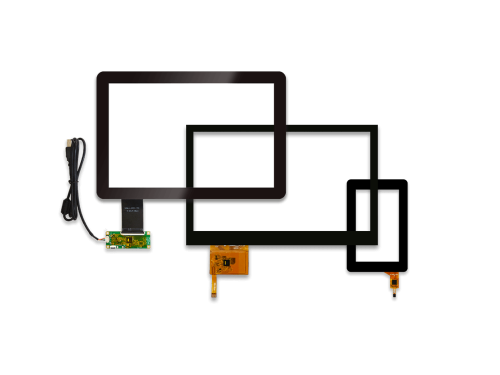
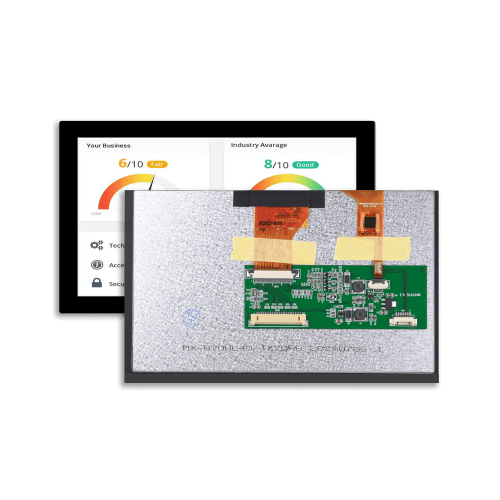
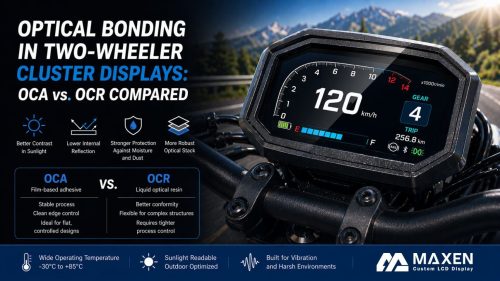
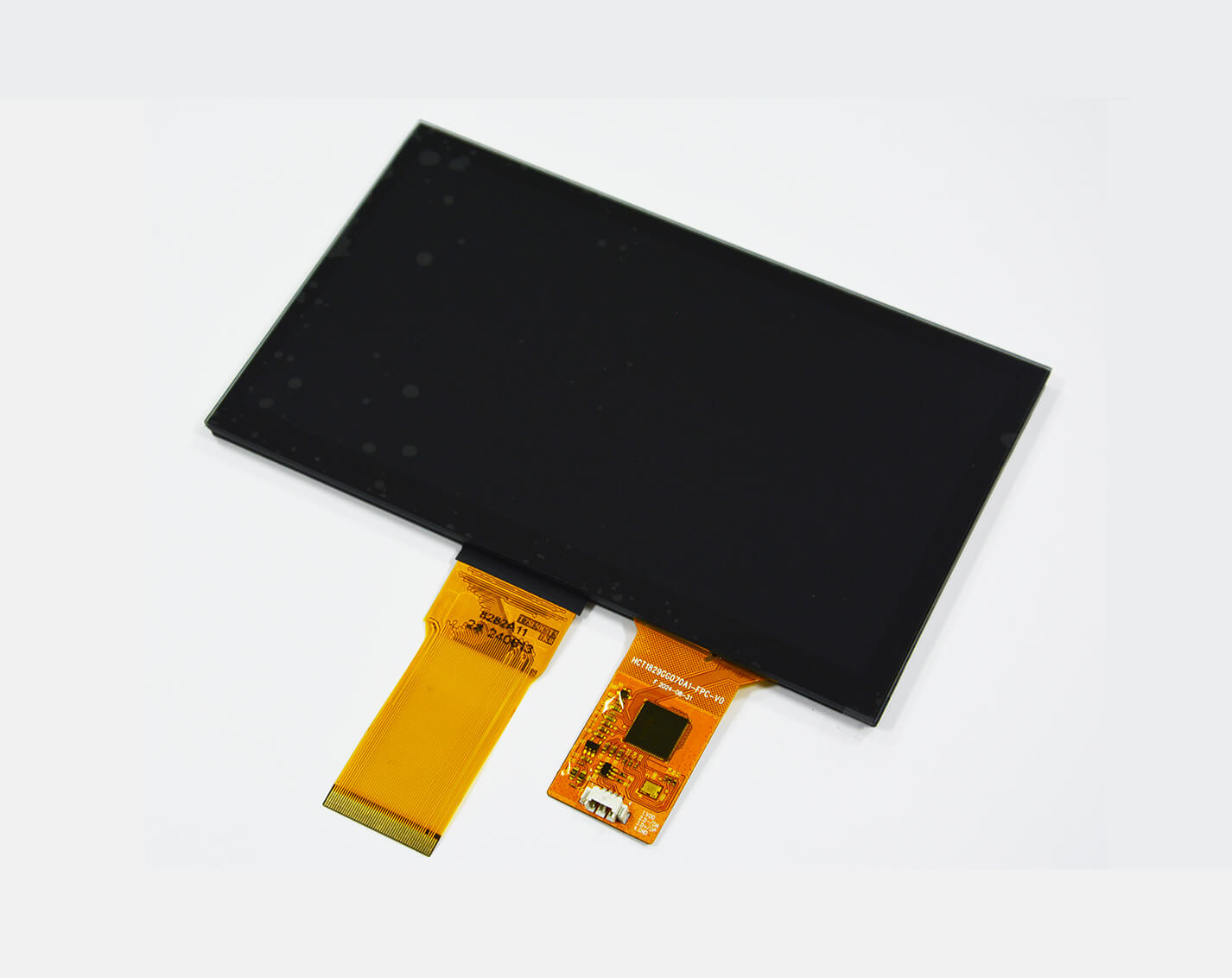
Optical bonding is a process that involves laminating the touch panel or cover glass directly onto the TFT LCD display using an optically clear adhesive (OCA or OCR).
Compared to traditional air bonding, this technique significantly reduces internal reflections, improves contrast and sunlight readability, and enhances the overall durability and structural integrity of the display module. MAXEN offers flexible optical bonding solutions tailored for industrial control systems, outdoor equipment, and advanced human-machine interfaces—ensuring clearer visuals and a more robust user experience.
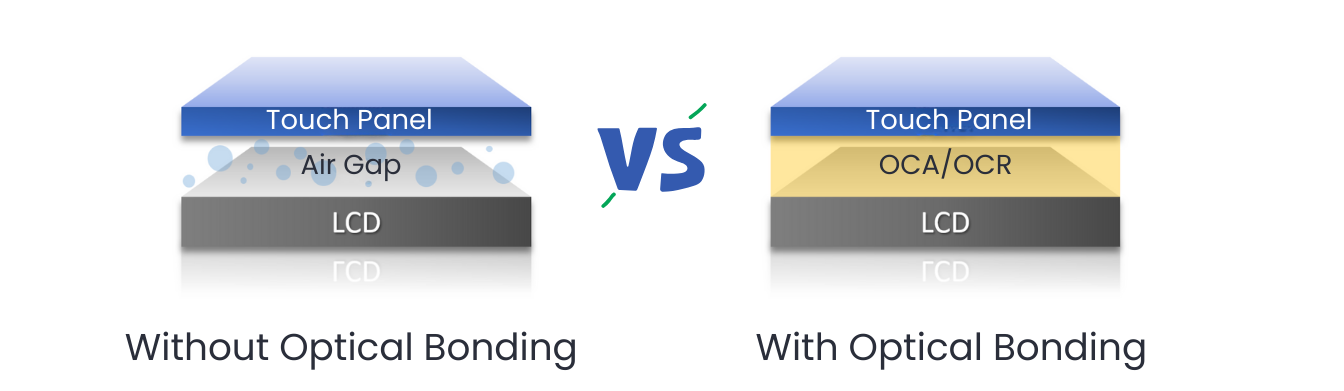
Optical bonding significantly improves the performance and durability of display modules. By eliminating the air gap between the cover glass and the TFT LCD, it enhances sunlight readability, increases impact resistance, reduces condensation and fogging, and improves touch accuracy. This makes it an ideal solution for outdoor, industrial, and high-reliability applications.
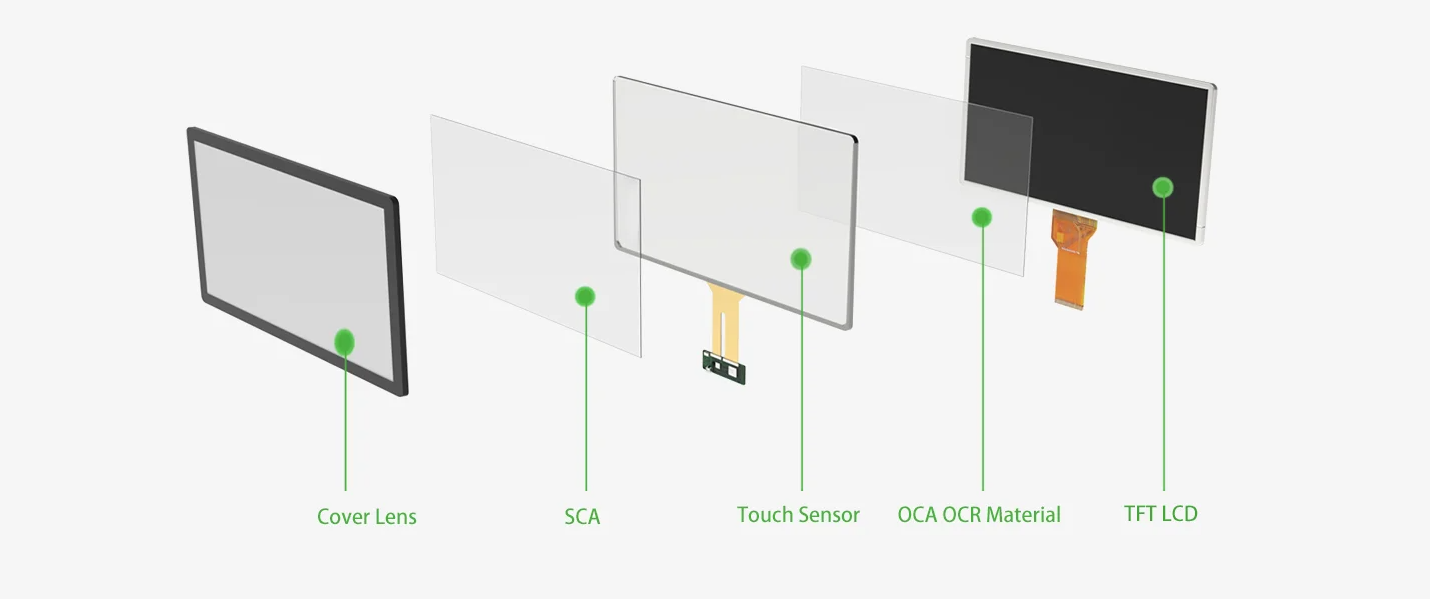
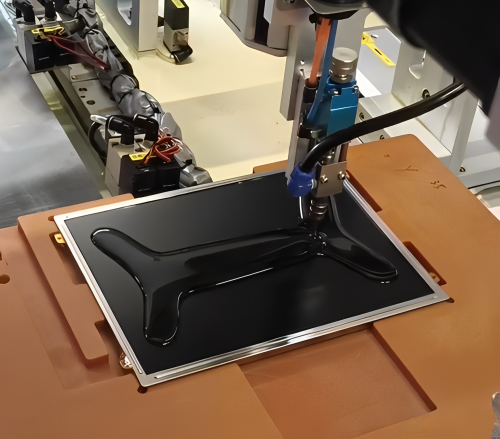
Liquid Bonding (LOCA/OCR Bonding) uses a liquid optically clear resin (OCR) that is cured by UV light or heat to bond the cover glass and display panel. This method offers excellent gap-filling ability and superior optical clarity, making it ideal for curved or free-form designs. Its strong adhesion and high light transmittance make LOCA bonding especially recommended for outdoor applications where visibility and durability are critical.
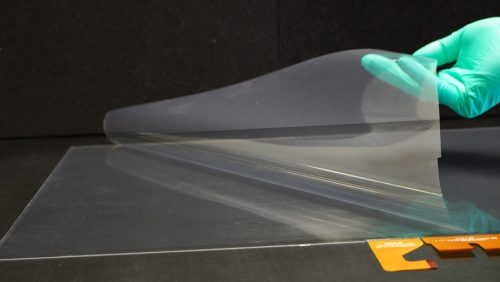
Dry Bonding (OCA Bonding) uses an optically clear adhesive (OCA) film to bond the cover glass and display without the need for curing. This method is highly consistent, efficient, and well-suited for flat panel designs. With stable bonding quality and streamlined processing, OCA bonding is widely recommended for indoor applications where speed and uniformity are essential.
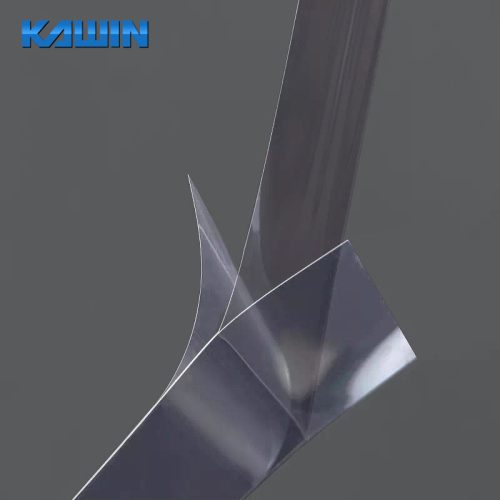
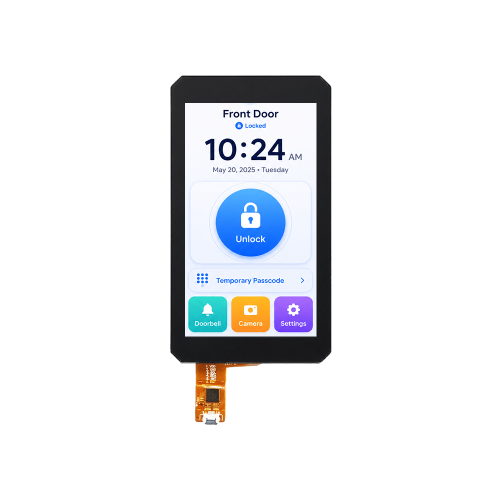
All Black Effect OCA is an optically clear adhesive designed to deliver high black uniformity when the screen is off. It effectively masks backlight bleed and internal structures, creating a seamless, premium black appearance. This type of OCA is ideal for smart home panels, automotive displays, and consumer electronics where aesthetic integration is key.
Maxen offers in-house optical bonding services to ensure high precision, stable quality control, and fast turnaround for display integration projects. Equipped with advanced bonding equipment and cleanroom facilities, we support both OCA dry bonding and OCR / LOCA liquid bonding processes.
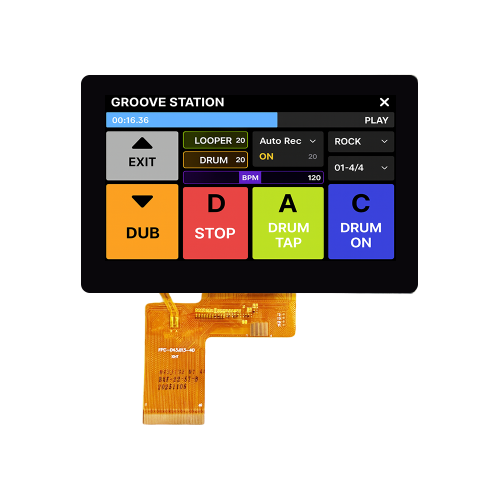
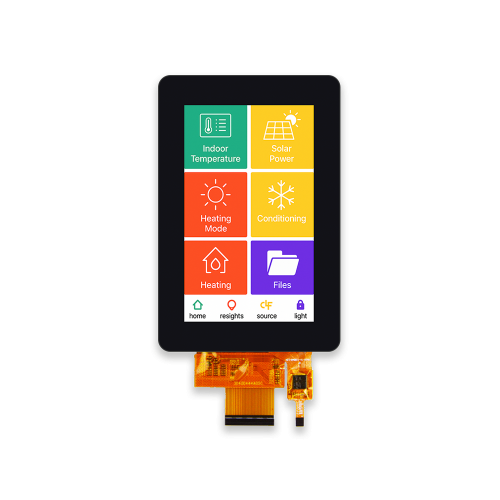
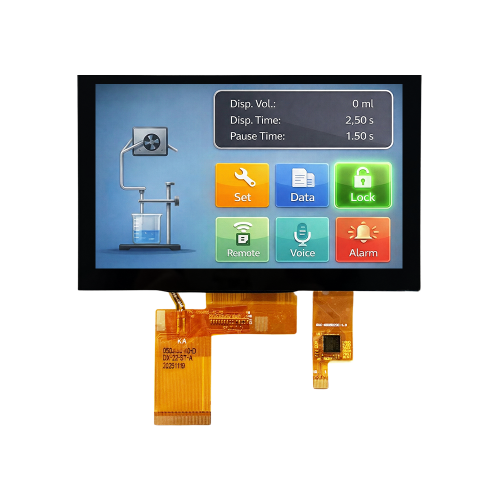
Our current optical bonding capability covers display sizes from 4.3 inches to 32 inches, supporting TFT LCD display, touch screen, and cover glass integration. Whether you need improved sunlight readability, enhanced durability, reduced reflection, or a seamless display structure, Maxen's optical bonding solutions deliver reliable performance for industrial, medical, outdoor, and smart device applications. Custom bonding for flat or curved panels is available to meet diverse project requirements.
People Also Ask
OCA bonding uses a solid optically clear adhesive film, while OCR / LOCA bonding uses a liquid optical clear resin that is cured after lamination. OCA is commonly used for flat panel structures, while OCR offers better gap-filling ability for more complex display designs.
OCA bonding is suitable for flat TFT LCD modules, standard cover glass structures, and projects that require stable bonding quality, efficient processing, and consistent optical performance. It is often recommended for indoor industrial devices, smart control panels, and regular HMI display modules.
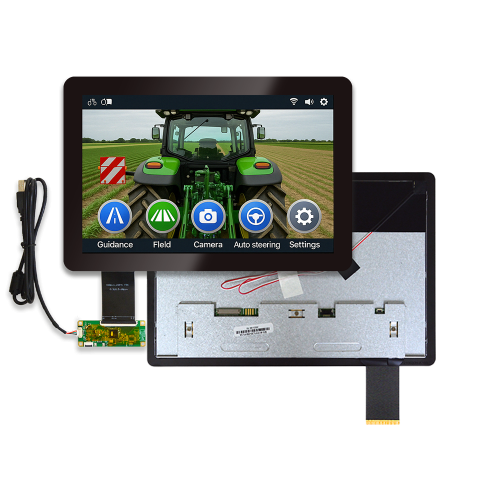
OCR / LOCA bonding is recommended when the display requires stronger gap filling, better durability, or improved outdoor readability. It is suitable for high-brightness LCD displays, outdoor equipment, vehicle displays, medical devices, and applications exposed to stronger light or harsher environments.
OCR is a liquid optical clear resin, so it can better fill small gaps or uneven spaces between the LCD, touch panel, and cover glass. This makes it suitable for customized cover glass, special mechanical structures, and display modules with higher bonding complexity.
Yes. MAXEN supports both OCA dry bonding and OCR / LOCA liquid bonding for TFT LCD display and touch screen integration. The bonding method can be selected according to the LCD size, cover glass design, touch panel structure, brightness requirement, and final application environment.





+86-13923461826