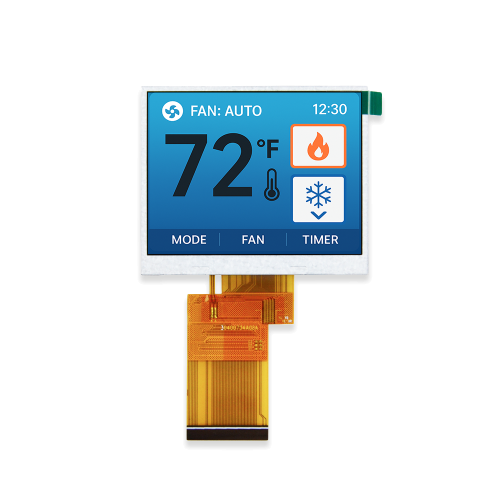
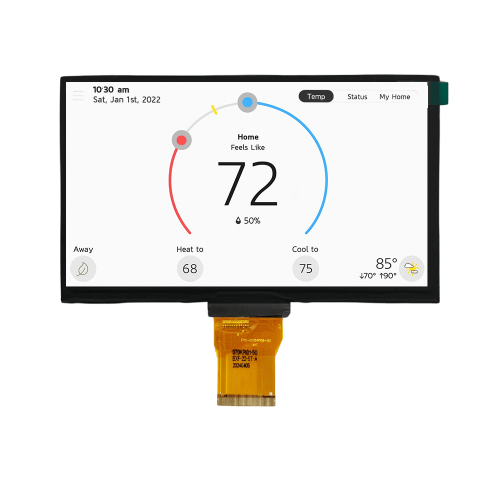
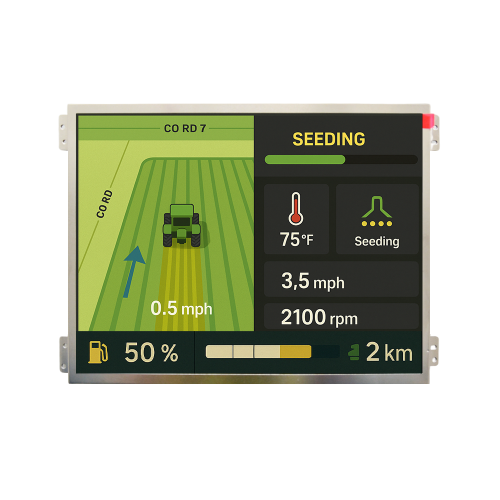
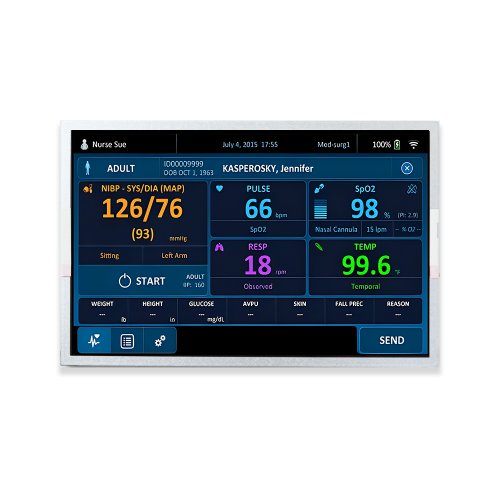
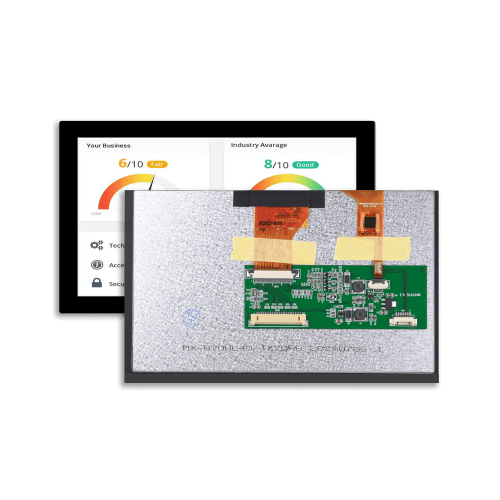
TFT LCD stands for Thin-Film Transistor Liquid Crystal Display. It is an active matrix display technology where each pixel is controlled by a thin-film transistor.
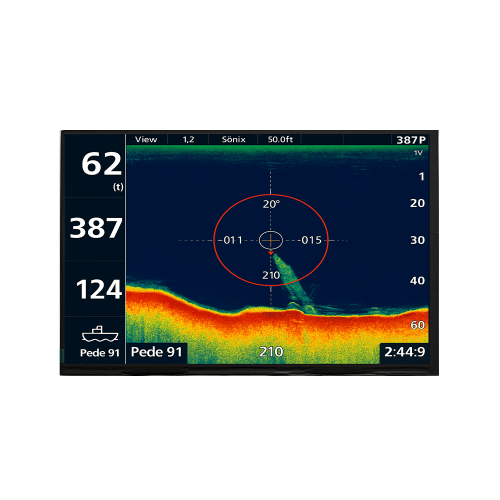
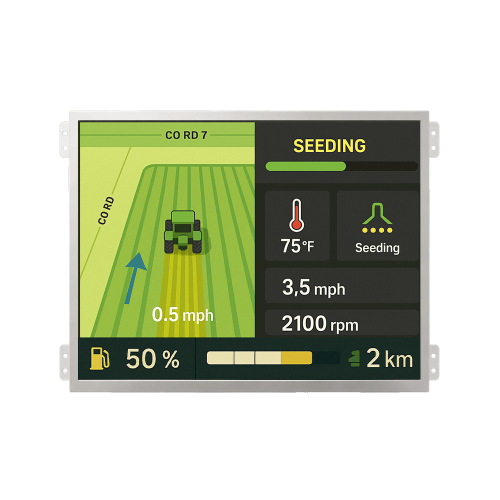
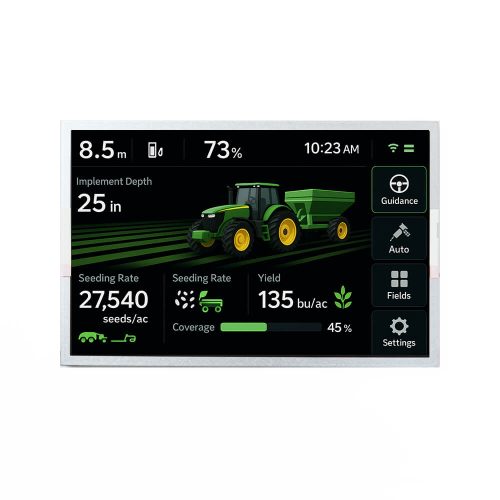
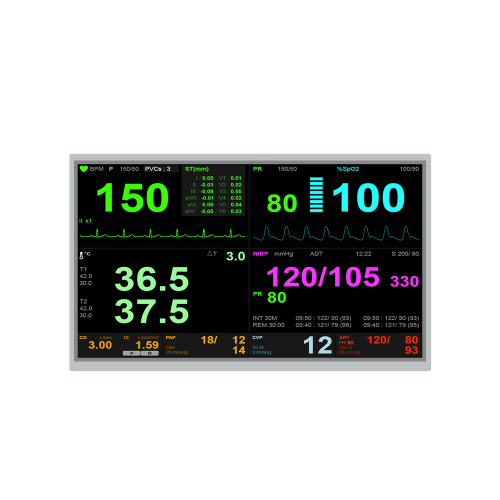
This structure allows TFT LCD displays to provide clear images, fast response, stable performance, and good color presentation. Today, TFT LCD modules are widely used in industrial control panels, medical devices, EV charging stations, two-wheeler dashboards, outdoor terminals, testing equipment, and embedded systems.
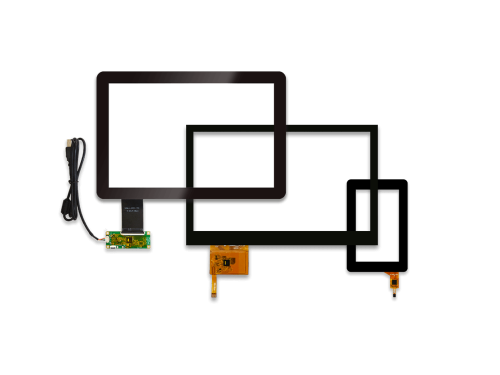
For custom display projects, TFT LCD technology is not only about image quality. It also involves brightness, viewing angle, interface, touch integration, operating temperature, mechanical design, and long-term supply stability.
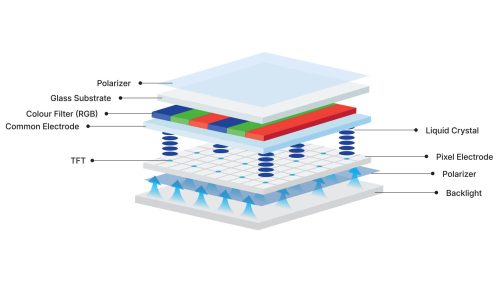
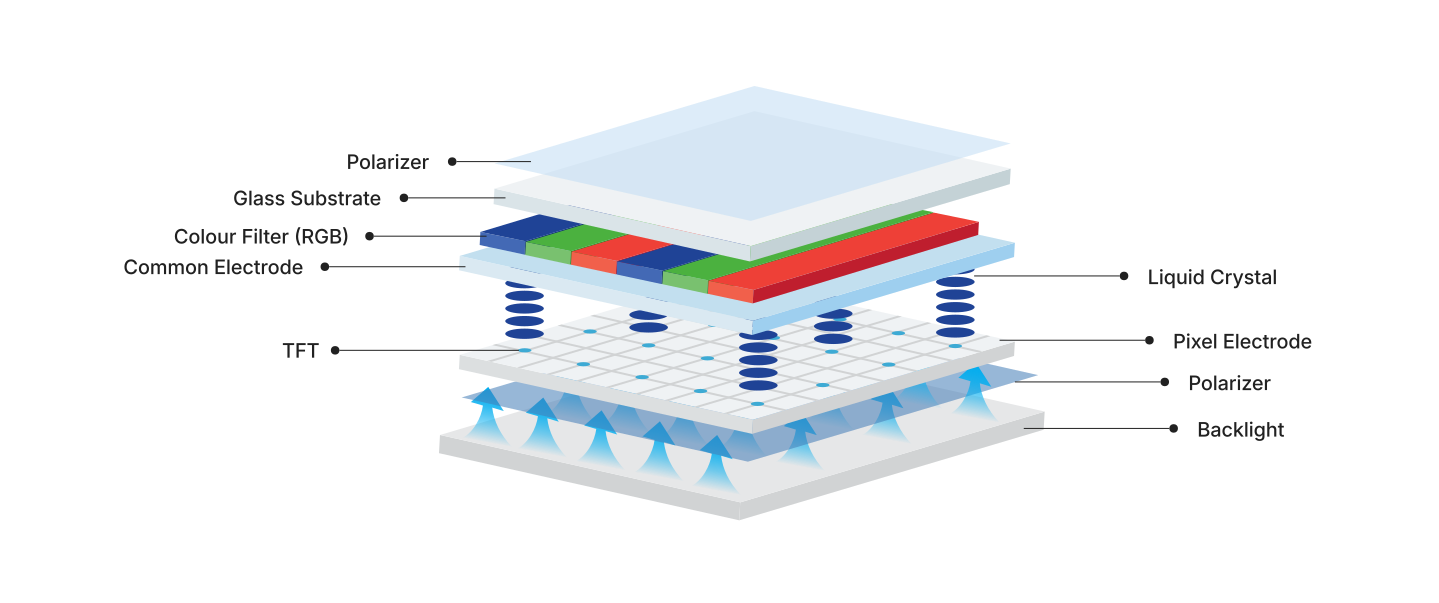
TFT LCDs work by using millions of individually controlled pixels, each driven by a tiny transistor and capacitor. These displays do not emit light themselves - instead, they modulate light from a backlight to form images.
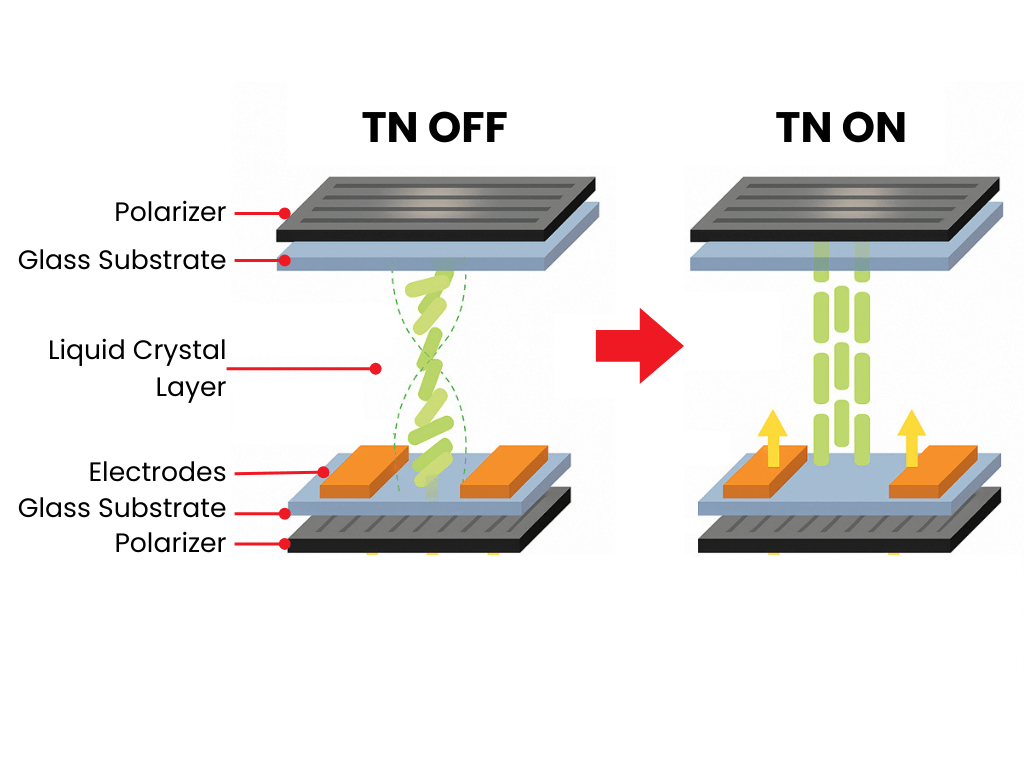
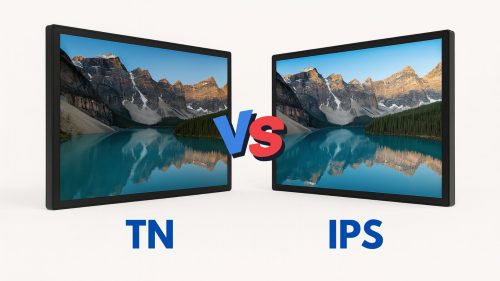
TN, or Twisted Nematic, a widely used TFT LCD technology that offers fast response times and cost efficiency, making it ideal for basic industrial and embedded applications - though it comes with limitations in viewing angle and color reproduction.
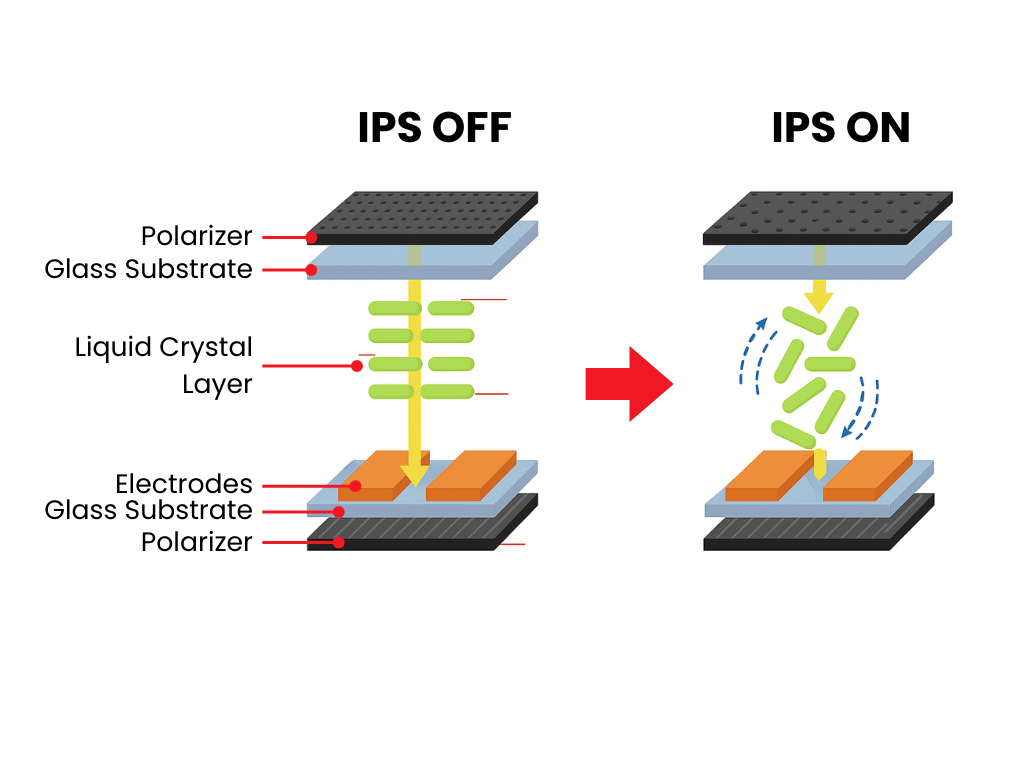
IPS, or In-Plane Switching, an advanced panel technology built on the TFT platform, IPS offers wide viewing angles and accurate color reproduction, making it ideal for applications where visual quality and consistency are critical - such as medical displays, smart home interfaces, and automotive systems.
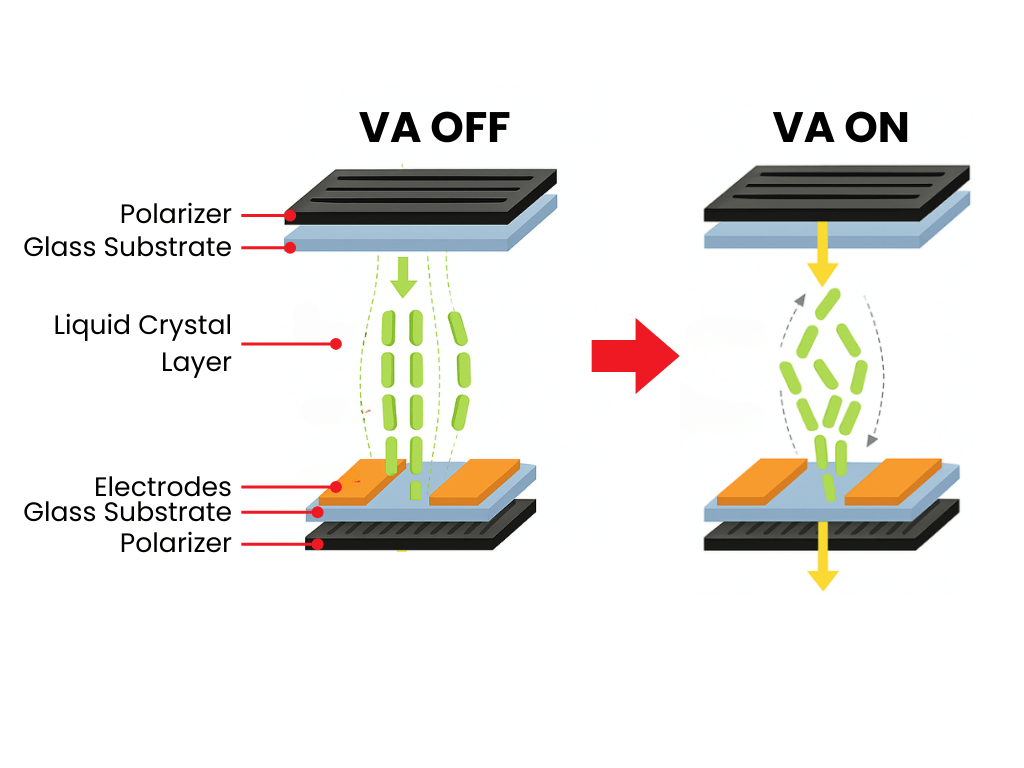
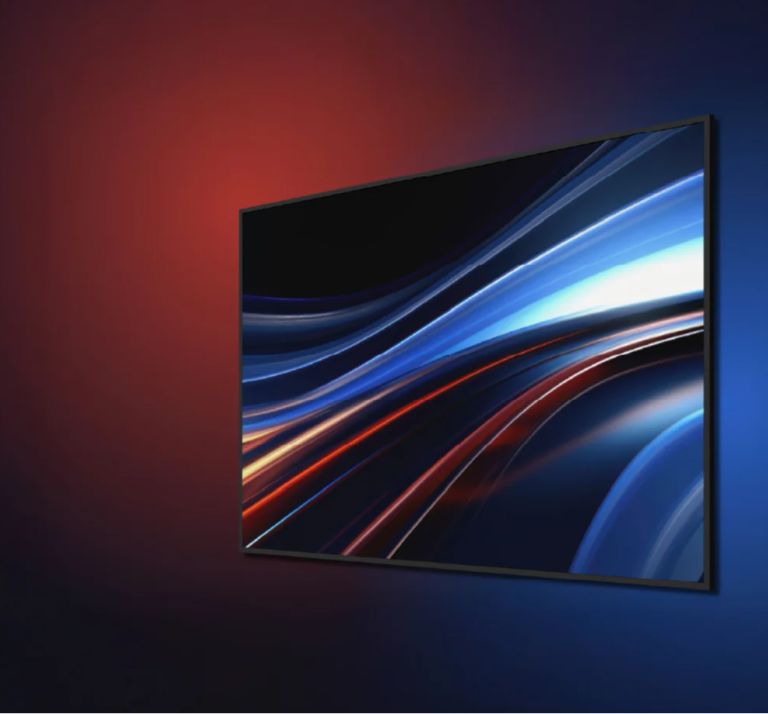
A panel technology that aligns liquid crystal molecules vertically when no voltage is applied, VA delivers high contrast ratios and deep blacks, making it well-suited for environments where visual depth and dynamic range are important—such as automotive dashboards and high-end displays.
With extensive experience in the display industry, MAXEN specializes in the design and manufacturing of TN and IPS-based TFT LCD modules.
We offer:
People Also Ask
The main application directions include industrial HMI, automation equipment, medical devices, two-wheeler displays, EV charging terminals, and other embedded systems. These projects usually require stable supply, reliable display performance, and flexible customization rather than consumer-electronics styling.
Yes. High-brightness solutions can be considered for outdoor and semi-outdoor equipment such as charging terminals, two-wheeler displays, and other products exposed to strong ambient light. In actual projects, readability is evaluated not only by brightness level, but also by the bonding structure, cover lens design, and overall optical stack.
Yes. Industrial equipment is one of the main application directions. Compared with consumer-oriented modules, these projects usually require longer product life cycles, more stable supply, flexible structure matching, and support for brightness, temperature, and touch customization. MAXEN TFT LCD & touch screen are suitable for industrial equipment.
Target size, resolution, interface, environment (indoor / outdoor) and estimated volume. Drawings or photos are helpful but not mandatory.
TN panels have faster response but narrow viewing angles, while IPS panels offer wider viewing and better color.
They ensure consistent image quality from different viewing directions.





+86-13923461826