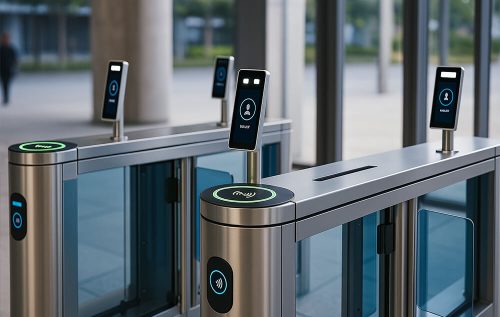
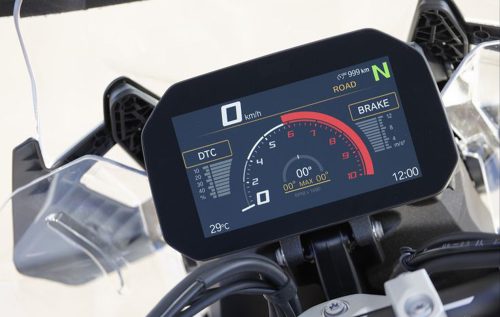
Capacitive Touch Screen Technology is a widely used touch input method found in smartphones, tablets, industrial displays, and many modern electronic devices. It works based on the principle of electrical conductivity and capacitance.
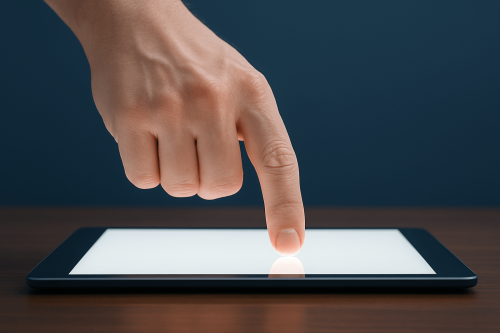
A capacitive touchscreen works by utilizing the natural conductivity of the human body. Beneath the glass is a grid of transparent electrodes that creates a uniform electrostatic field. When your finger touches the screen, it disrupts this field at the point of contact. A controller chip instantly detects this change, pinpoints the precise X and Y coordinates of the touch, and translates it into an action on the screen, all within milliseconds. For industrial applications, capacitive touch screens can be customized with different sensor structures, cover glass thicknesses and controllers.
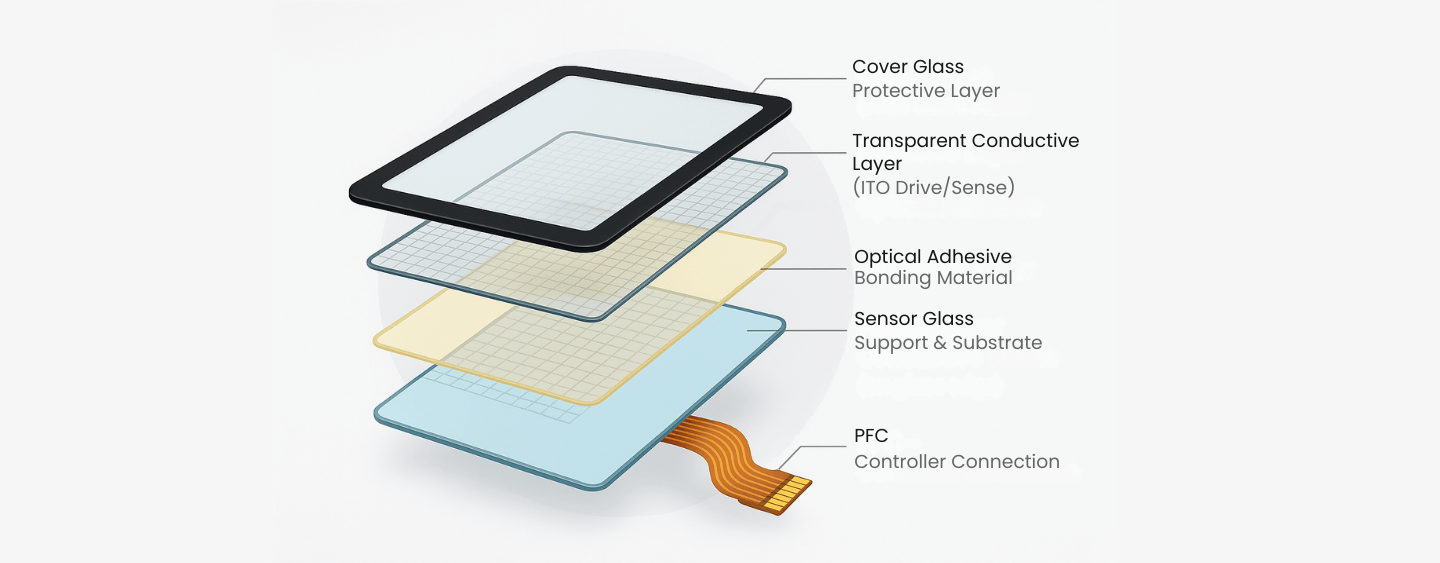
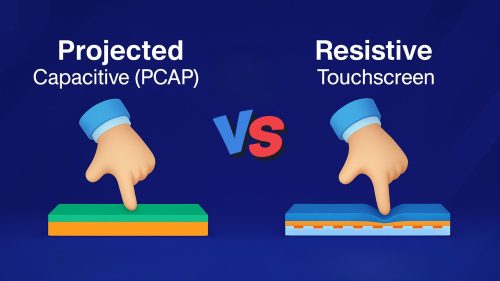
While both are "capacitive," the technology used in virtually all modern devices is Projected Capacitive (PCAP).
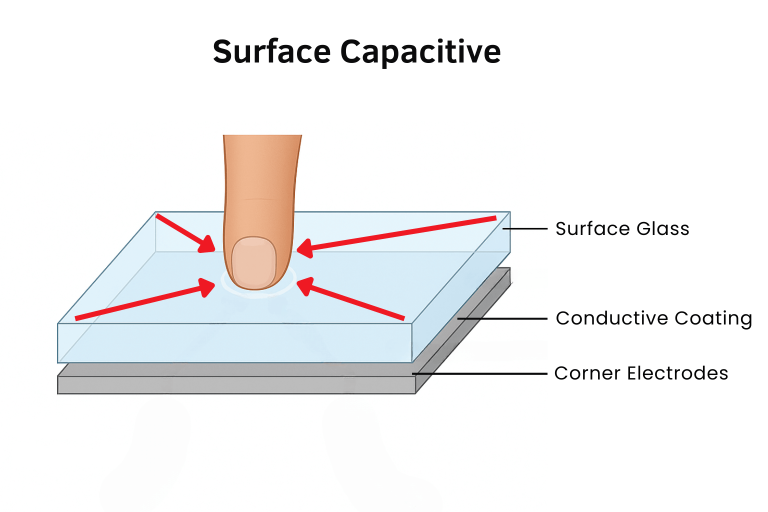
An older technology where sensors are only on the corners of the screen. It uses electrodes at four corners to detect touch position by comparing current strength and is less accurate and does not support multi-touch.
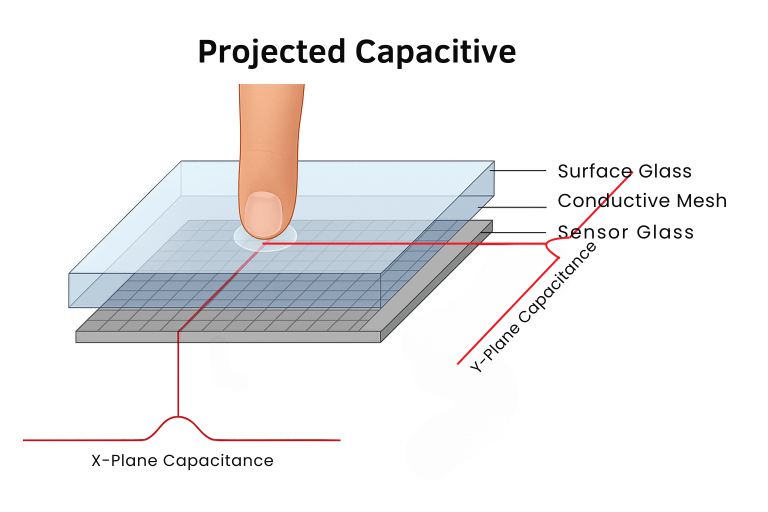
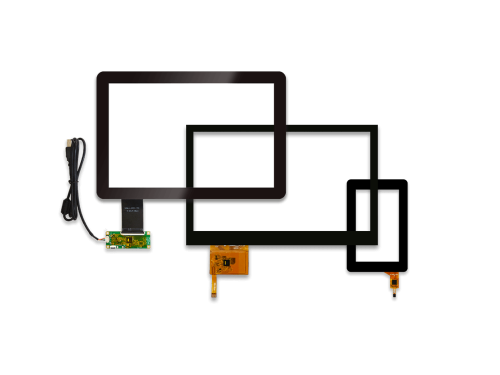
PCAP stands as the dominant and most advanced form of capacitive sensing, having superseded older technologies to become the industry standard for everything from smartphones to industrial control panels. Projected Capacitive (PCAP) employs an X-Y electrode grid to sense capacitance changes, supporting precise multi-touch input.
At MAXEN, we understand that every application faces its own set of constraints—whether it’s the form factor of the device, the operating environment, the feel of the user interface, cost targets, or compliance with industry certifications. That’s why we provide end-to-end customization services, covering everything from structural design and surface treatments to bonding methods and interface selection. Our goal is to ensure that each capacitive touch screen solution is not only a component, but also a seamless extension of your product’s design language and a key driver of an enhanced user experience.
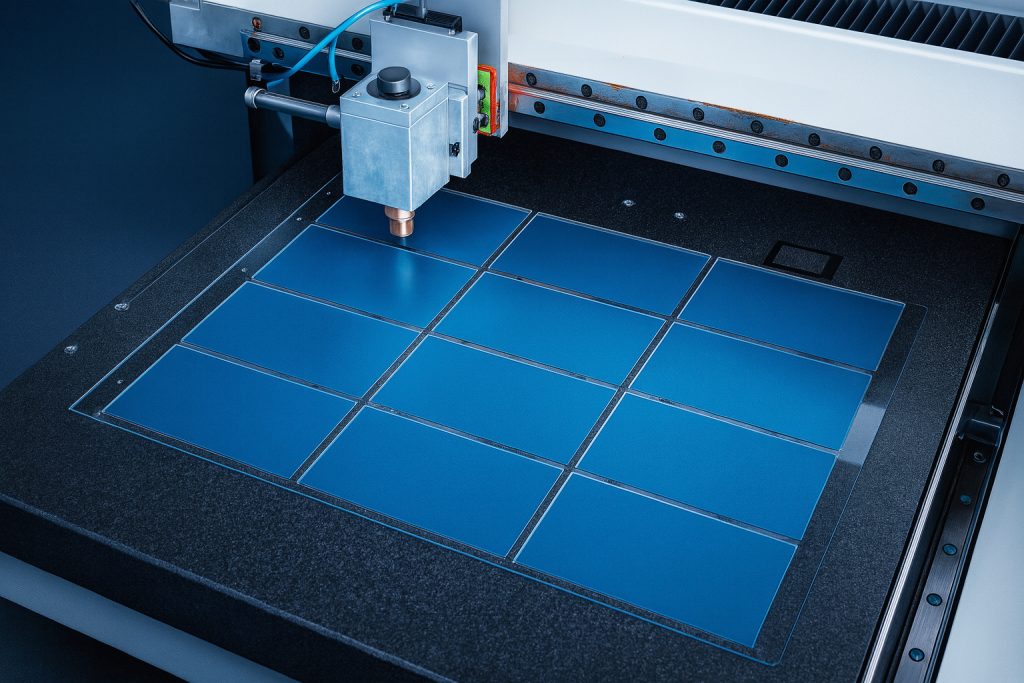
Up to 32" optional
I2C, USB, RS232... etc
1-10 points capabilities
EETI/ILITEK/GOODiX/Sitronix/HYCON... etc
Cover glass thickness up to 10mm
Color/Logo/pattern/graphic printing
Explore common questions about MAXEN capacitive touch screen solutions, including customization, touch structures, controllers, interfaces, and industrial applications.
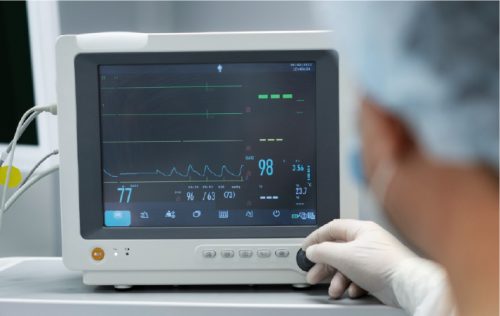
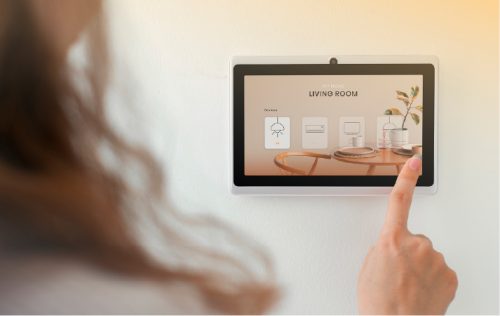
Yes. MAXEN provides customized capacitive touch screen solutions for industrial equipment, medical devices, smart home systems, vehicle displays and other embedded applications. Customization options include cover glass size, thickness and shape, logo printing, decorative patterns, AG/AR/AF coatings, touch sensor structure, touch controller selection and LCD touch panel integration. Each solution can be optimized according to the mechanical design, operating environment and specific application requirements.
MAXEN supports various projected capacitive (PCAP) touch screen structures, including G+G (Glass + Glass) and G+F (Glass + Film) designs. G+G structures provide excellent optical performance and durability, making them suitable for industrial and high-end applications, while G+F structures can be used when thinner and lighter designs are required. The touch structure can be customized according to product size, thickness requirements, durability expectations and cost targets.
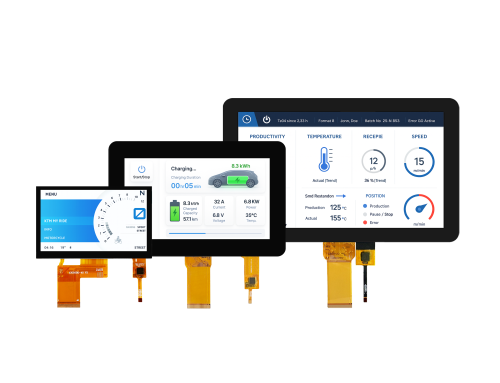
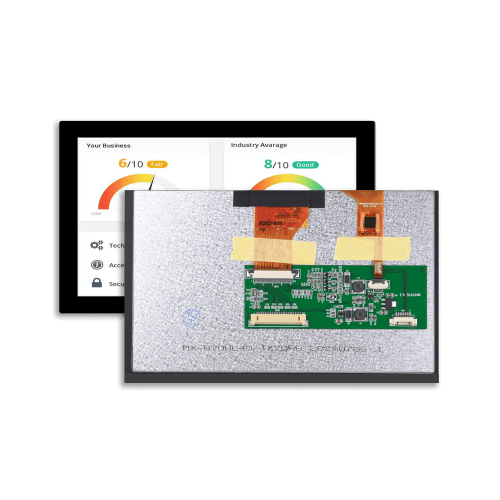
Yes. MAXEN provides integrated TFT LCD touch display solutions by combining TFT LCD modules with customized capacitive touch panels. The integration process can include LCD selection, PCAP touch panel customization, air bonding or optical bonding, touch controller configuration and interface matching. These integrated solutions are widely used in industrial HMIs, medical equipment, EV displays, smart control panels and other embedded systems.
MAXEN supports different touch controller options and communication interfaces based on application requirements. Capacitive touch screens can be configured with controllers from suppliers such as Ilitek, Goodix and FocalTech, with interfaces including I²C, USB and SPI. Controller selection can be optimized according to touch size, operating system compatibility, waterproof requirements and the target application environment.
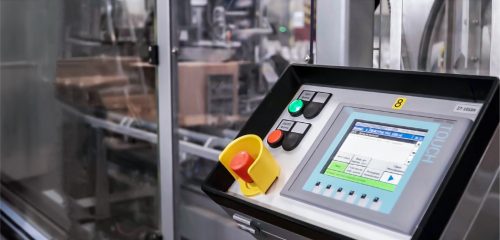
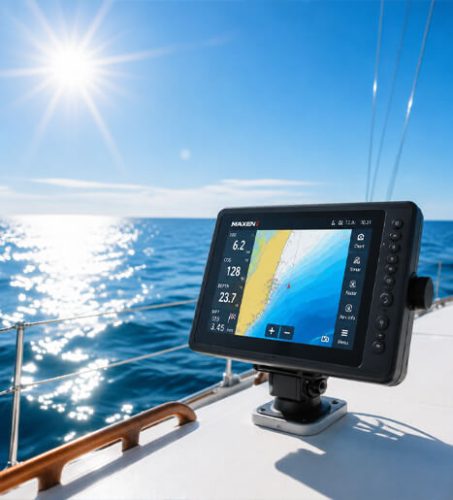
Yes. Capacitive touch screens can be customized for demanding industrial and outdoor environments with proper design considerations. Solutions can include durable cover glass, high brightness TFT LCD integration, optical bonding for improved readability, customized touch sensitivity settings and wide temperature operation options. These solutions are suitable for industrial control panels, outdoor kiosks, vehicle displays and other rugged applications.





+86-13923461826