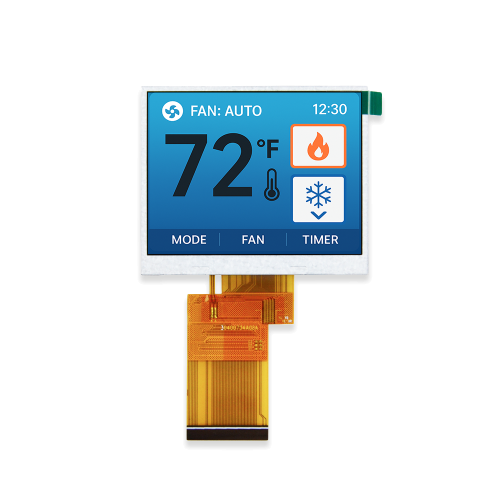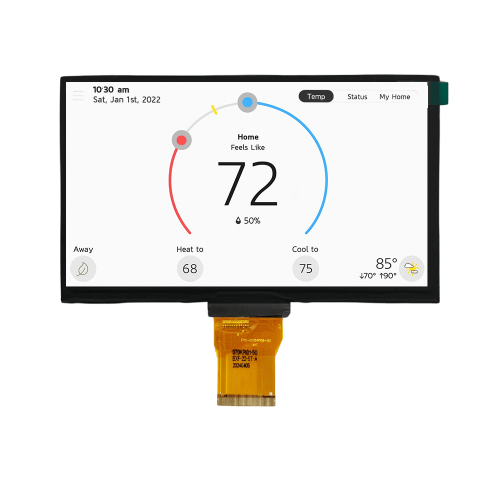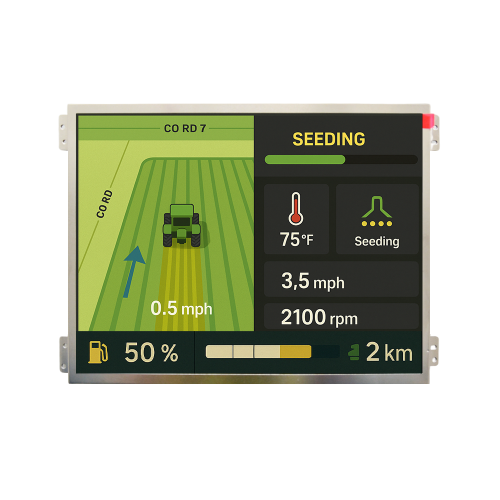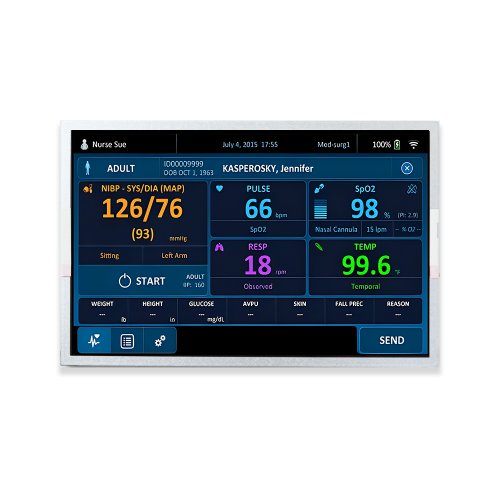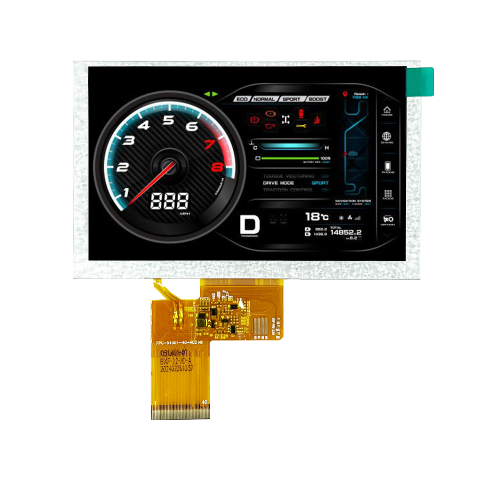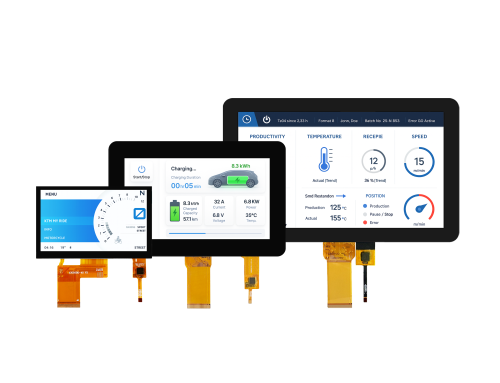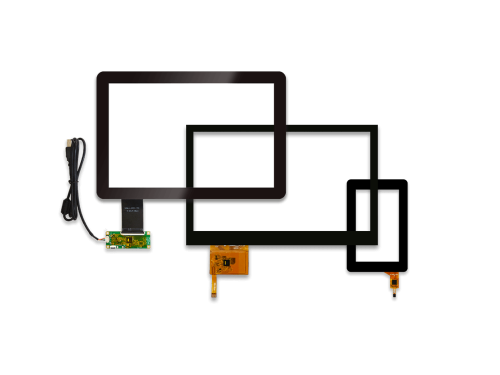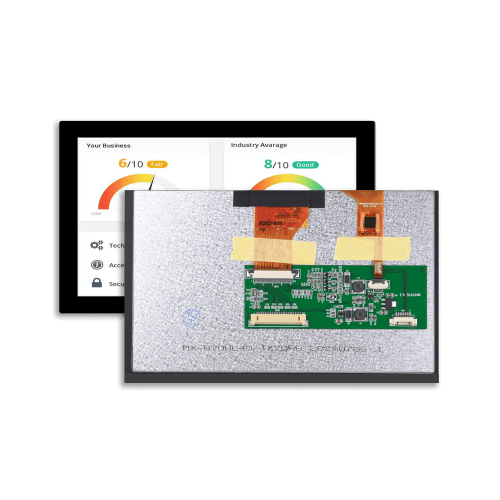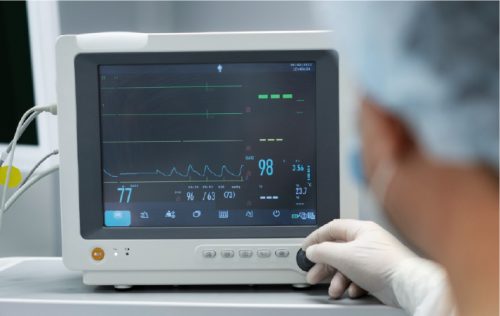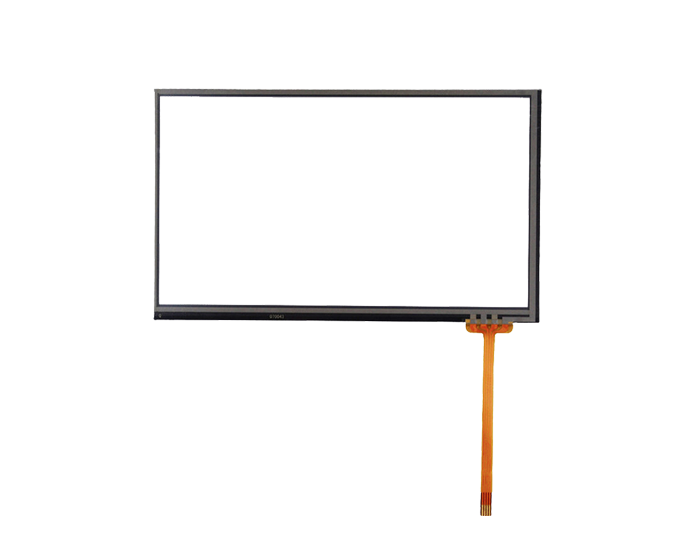
Resistive Touch Panels are a pressure-activated touch solution widely used in industrial and outdoor environments where reliable input matters more than multi-touch gestures. Unlike capacitive touch, resistive panels can be operated with gloves, styluses, or any firm object, and they tend to perform consistently even with water droplets, moisture, or dirty surfaces—making them a practical choice for rugged HMIs, handheld industrial terminals, medical equipment, POS/vending interfaces, and other field-deployed devices. Typical constructions include 4-wire or 5-wire resistive structures, offering stable touch performance with cost-effective implementation for single-touch or simple control interfaces.
For product integration, resistive touch panels can be configured across key parameters such as size, active area, tail/FPC location, connector type, and controller interface, and they are commonly paired with TFT LCD modules as a front-end input layer. Depending on the enclosure design, mounting approaches (adhesive, gasket, bezel) can be selected to support assembly consistency and durability. When the application demands straightforward touch operation, glove usability, and dependable performance in harsh conditions, a resistive touch panel remains a proven, engineering-friendly option.

xiabenyue@outlook.com