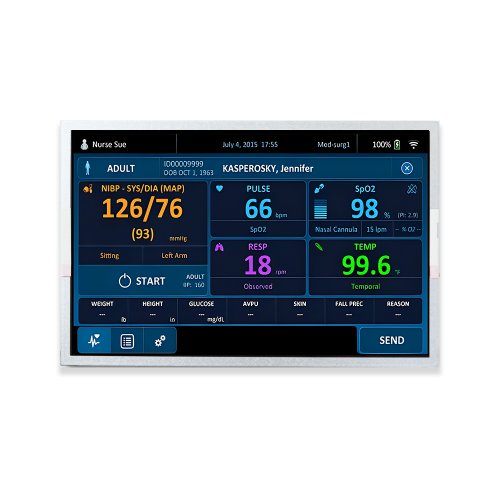

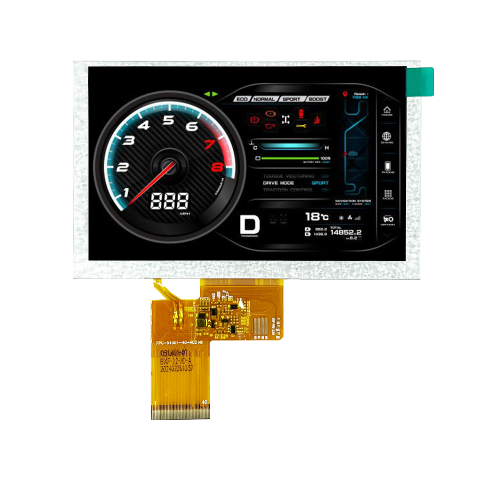




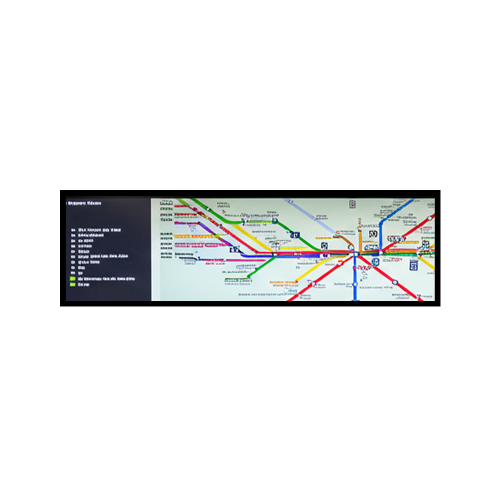
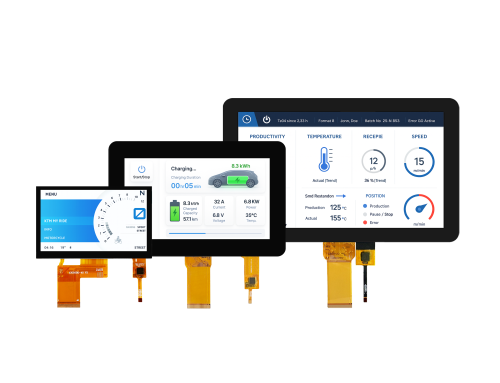
TFT LCD stands for Thin-Film Transistor Liquid Crystal Display. This active-matrix display technology uses thin-film transistors to control individual subpixels and regulate light from the backlight.
TFT means Thin-Film Transistor, referring to microscopic electronic switches used for pixel control. TFT LCD displays are widely used in industrial HMI panels, medical equipment, smart home devices, vehicle displays and embedded systems.
This guide explains TFT LCD meaning, working principle, internal structure and key considerations for industrial applications.
TFT LCD Meaning and Full Form
The full form of TFT LCD is Thin-Film Transistor Liquid Crystal Display. TFT LCD technology combines liquid crystal display technology with active-matrix transistor control. Thin-film transistors regulate electrical signals applied to individual subpixels, supporting precise image control.
Understanding TFT LCD starts with three closely related terms:
Liquid Crystal Display uses liquid crystal molecules to control light transmission. Liquid crystals do not generate light themselves.
Thin-Film Transistors are microscopic electronic switches formed on glass substrate to control individual subpixels.
Each subpixel uses individual transistor control and storage capacitance to maintain stable image data between refresh cycles.
Compared with passive-matrix LCD technology, TFT LCD uses active-matrix addressing for more precise pixel control. This architecture is widely used across modern color LCD modules.
How Does TFT LCD Work?
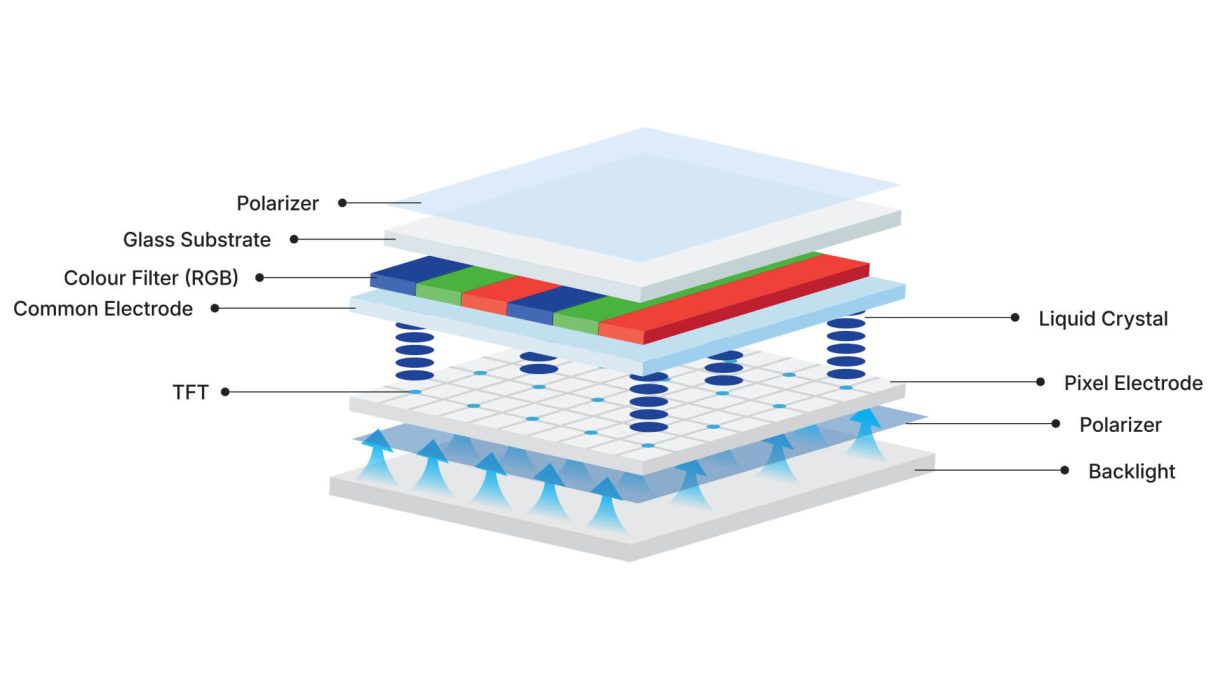
TFT LCD forms images by controlling light transmission through liquid crystal material. Typical color displays use red, green and blue subpixels controlled through TFT switching elements.
The working principle can be summarized in four stages:
LED backlight provides illumination behind the LCD panel.
Thin-film transistors address individual subpixels and apply required voltage.
Applied voltage changes molecular orientation and controls light transmission through the polarizers.
RGB color filters and controlled subpixel brightness combine to form the displayed image.
Each subpixel includes switching transistor and storage capacitance, helping maintain voltage between refresh cycles. Optical response varies with liquid crystal mode and panel design, including TN, IPS and VA configurations.
TFT LCD Structure and Key Components
Transmissive TFT LCD modules contain multiple optical and electrical layers. Each component contributes to image formation, brightness distribution, color presentation or signal control.
The TFT glass substrate contains transistor array and pixel electrodes, while the color filter substrate provides red, green and blue filtering. Liquid crystal material sits between both substrates, with polarizers controlling transmitted light together with the liquid crystal layer.
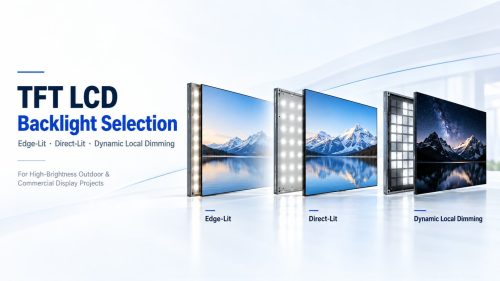
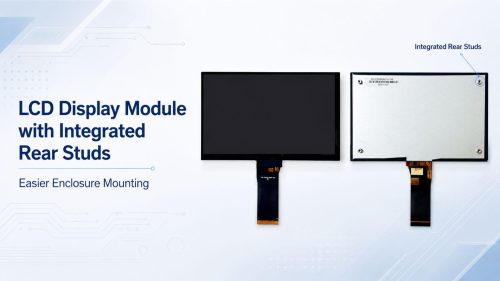
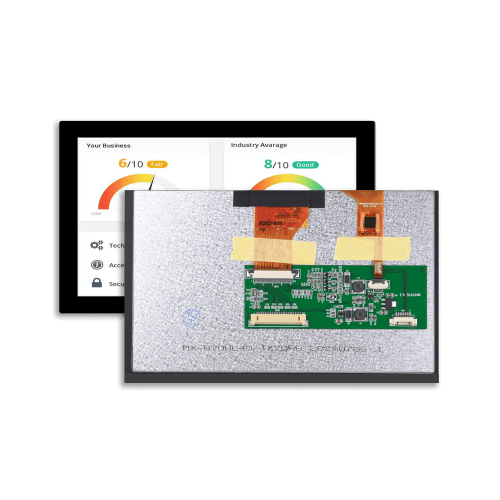
The backlight unit typically includes LEDs, light guide and optical films to distribute light across the active display area. Driver ICs and FPC connections provide electrical control and connection between the LCD panel and external electronics.
COG (Chip on Glass) refers to bonding driver IC directly onto glass substrate. FOG (Film on Glass) refers to bonding flexible circuit onto glass substrate. Both processes are commonly used during TFT LCD module assembly.
Why Are TFT LCD Displays Used in Industrial Applications?
TFT LCD technology combines mature manufacturing processes with flexible electrical, optical and mechanical configurations. These characteristics support equipment requiring stable image presentation, repeatable production and application-specific display integration.
Active-matrix addressing provides precise pixel control for text, graphics, measurement data and control interfaces.
Resolution, viewing mode, interface, backlight design and mechanical structure can be selected according to project requirements.
Established TFT LCD processes support repeatable module assembly, inspection and long-term industrial product planning.
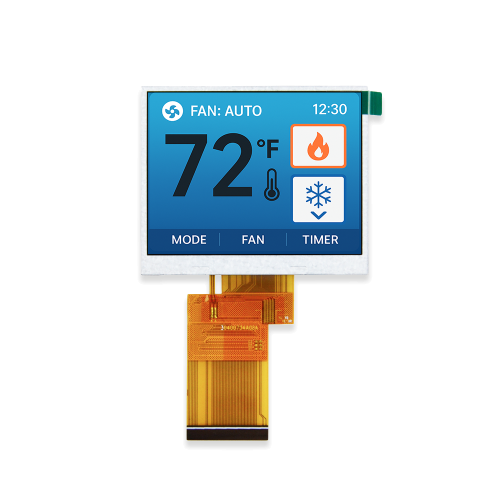
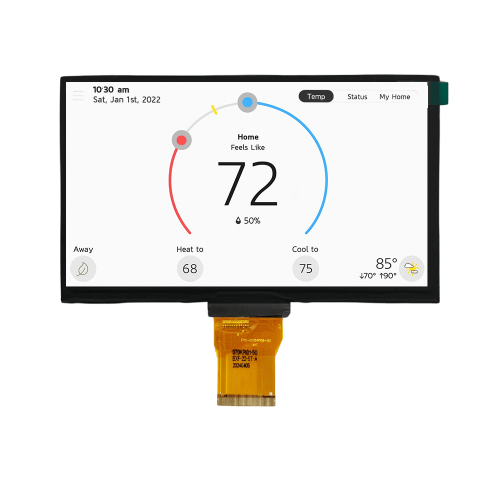
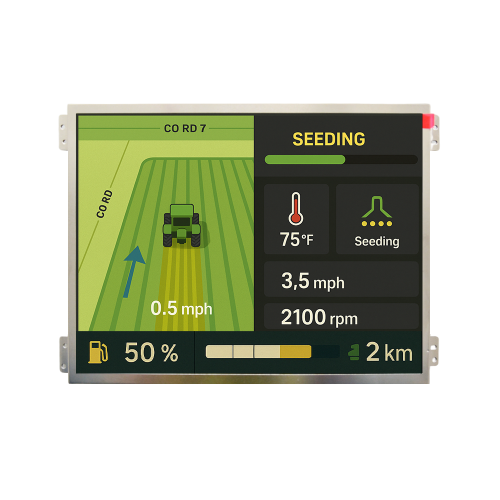
Common applications include industrial automation equipment, HMI terminals, medical instruments, vehicle clusters, EV charging stations, smart home control panels and outdoor information displays. Display selection should consider actual operating conditions rather than screen size or resolution alone.
TFT LCD Selection and Customization Considerations
Selecting suitable TFT LCD module requires evaluation of electrical compatibility, optical performance and mechanical integration. Key parameters should be reviewed during early-stage development.
Match active display area, pixel density and module dimensions with user interface and enclosure requirements.
Evaluate ambient lighting, installation orientation and readability requirements. IPS and high-brightness configurations can support demanding environments.
Check compatibility with host controller. Common TFT LCD interfaces include SPI, RGB, LVDS and MIPI DSI.
Confirm operating and storage temperature ranges against equipment and environmental conditions.
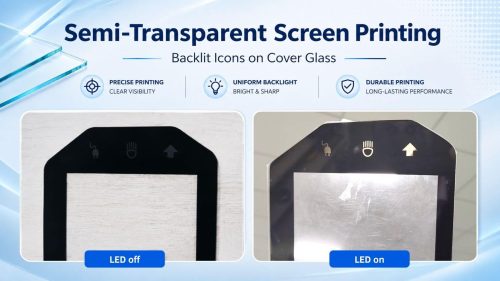
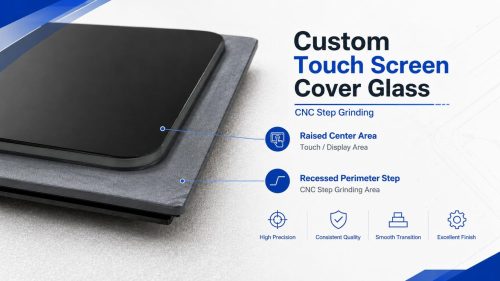
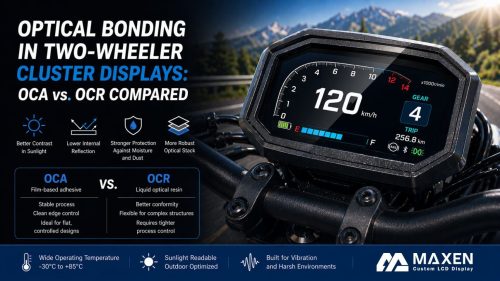
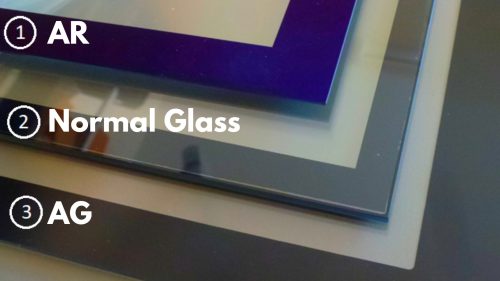
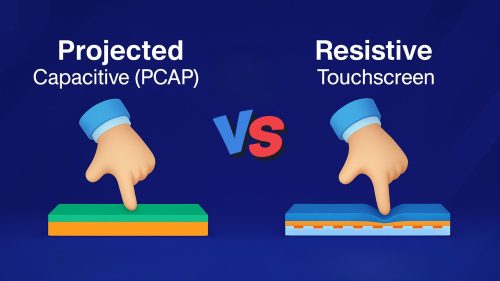
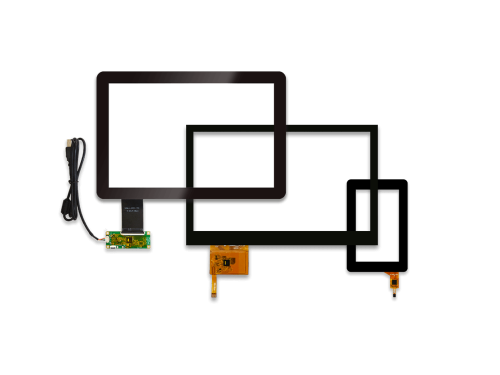
Consider capacitive touch, cover glass, optical bonding and mechanical integration when touch functionality is required.
Review supply continuity, production volume, validation requirements and possible future design changes.
Projects requiring specific electrical, optical or mechanical configurations can also use MAXEN display customization capabilities.
TFT LCD Manufacturing and Quality Control at MAXEN
MAXEN combines TFT LCD engineering with in-house manufacturing capabilities at our Dongguan facility. Production processes cover glass cutting, backlight assembly, COG and FOG bonding, LCD module assembly and aging tests, supporting traceability and consistent production control.
Quality control covers multiple stages, including Incoming Quality Control (IQC), In-Process Quality Control (IPQC), Final Quality Control (FQC), aging tests and Outgoing Quality Control (OQC). Automated bonding equipment and established inspection procedures support industrial and customized TFT LCD projects.
Frequently Asked Questions About TFT LCD Displays
Common questions about TFT meaning, LCD technology, display structure, interfaces and industrial applications.
What is the difference between TFT and LCD?
LCD means Liquid Crystal Display, while TFT means Thin-Film Transistor technology used for active-matrix pixel control. TFT LCD combines liquid crystal display technology with thin-film transistor control for individual subpixels.
Is TFT LCD the same as IPS LCD?
Not exactly. TFT describes active-matrix driving technology, while IPS describes liquid crystal operating mode. IPS TFT LCD panels combine TFT addressing with IPS technology to provide wide viewing angles and consistent image presentation.
Do TFT LCD displays require backlights?
Most transmissive TFT LCD modules use LED backlights because liquid crystal material does not emit light. Reflective TFT LCD designs use ambient light, while transflective designs combine reflective and transmissive operation.
What interfaces are commonly used in TFT LCD modules?
Common interfaces include SPI, RGB, LVDS and MIPI DSI. Interface selection depends on display resolution, module architecture, host processor compatibility and electrical requirements. Pin assignments and signal specifications should always be checked against module datasheet.
Can TFT LCD displays be customized for industrial applications?
Yes. MAXEN supports TFT LCD customization based on project requirements, including brightness, interface, FPC design, operating temperature, touch panel integration, cover glass and optical bonding. Target specifications, mechanical drawings and estimated volume help determine suitable development approach.
Explore MAXEN TFT LCD Display Products
MAXEN provides TFT LCD display modules for industrial equipment, vehicle clusters, outdoor systems and stretched display applications. Explore product categories based on operating environment and application requirements.
Industrial LCD Displays
TFT LCD displays for industrial equipment, HMI systems, automation devices and embedded applications requiring stable operation and long-term supply.
Explore Industrial LCD DisplaysCluster Display LCD
LCD modules for instrument clusters, motorcycles, e-bikes and vehicle display systems, with high-brightness and wide-temperature options.
Explore Cluster DisplaysOutdoor TFT Displays
High-brightness TFT LCD displays for outdoor terminals, charging equipment, information systems and applications exposed to strong ambient light.
Explore Outdoor TFT DisplaysStretched Bar LCD Displays
Ultra-wide and bar-type TFT LCD displays for transportation systems, digital signage, control interfaces and space-limited installations.
Explore Stretched Bar DisplaysBrowse the complete TFT LCD range or discuss target size, brightness, interface and application requirements with MAXEN.
Planning TFT LCD Project?
Share target display size, resolution, brightness, interface, operating environment and estimated volume. MAXEN can help evaluate suitable standard or customized TFT LCD module options.
Discuss Your LCD Project