TFT LCD glass cleaning removes particles, residues and other surface contamination after glass cutting and before precision bonding processes.
A clean TFT glass surface is important because contaminants in the bonding area can interfere with ACF adhesion, electrical contact and the consistency of later LCD module assembly.
Technology Basics
LCD glass cleaning is the controlled removal of particles, handling residues, glass debris and other contaminants from the TFT substrate surface.
The process is especially important around fine-pitch electrode and bonding areas, where even small contaminants can affect subsequent ACF film placement and flexible-circuit bonding.
Manufacturing Value
Fine-pitch LCD bonding processes require consistent surface conditions. Particles, moisture, fingerprints or residues in critical areas may influence adhesion, alignment or electrical contact.
Reduces contamination where ACF film and flexible circuits will later be positioned.
A properly prepared surface helps bonding materials contact the TFT glass consistently.
Removing particles helps lower the risk of contamination-related bonding problems.
Consistent surface preparation supports repeatability through later LCD assembly stages.
Process Control
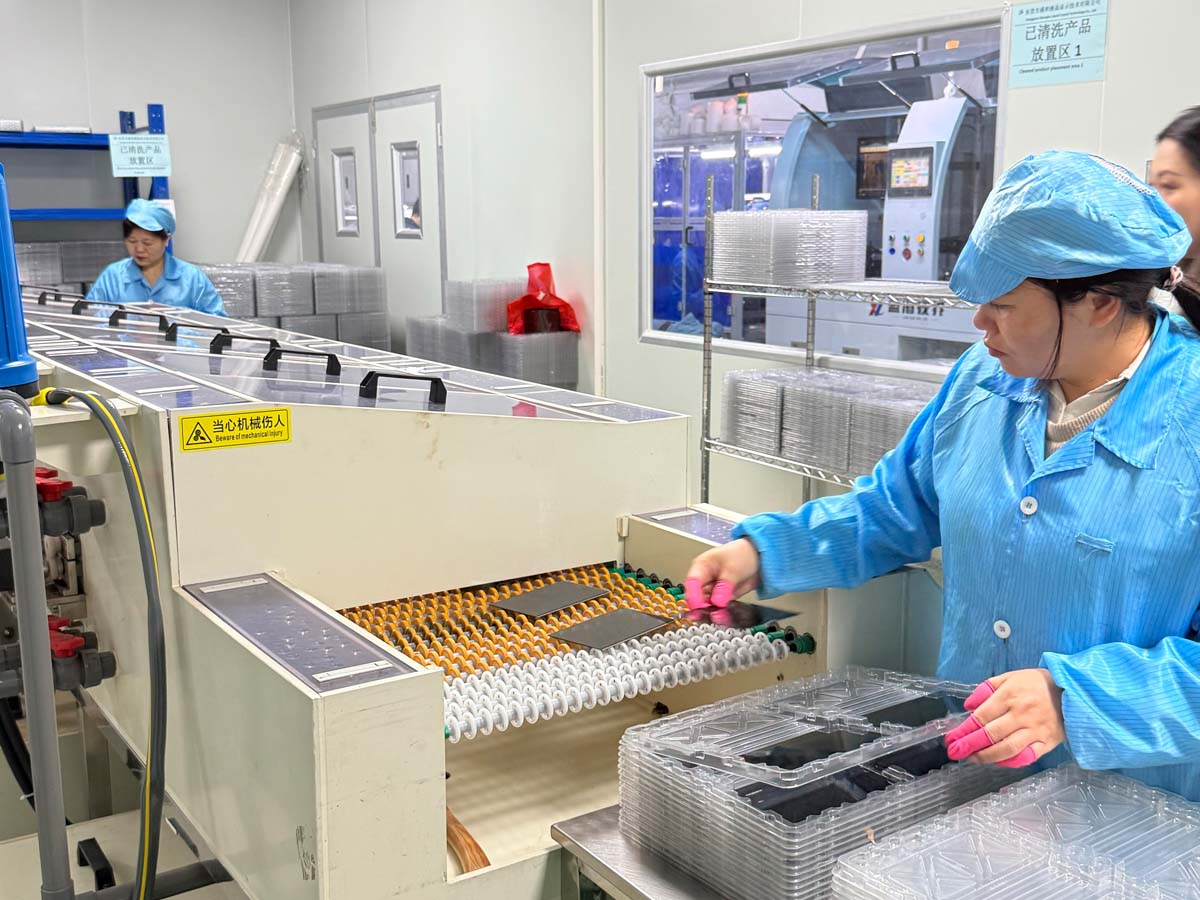
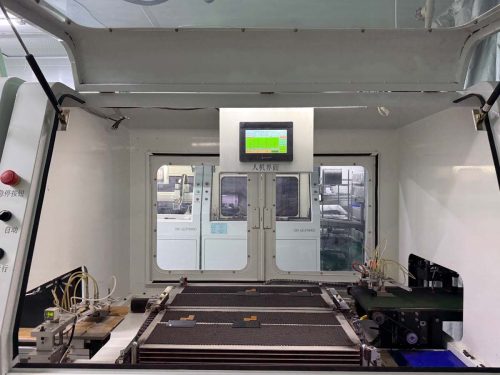
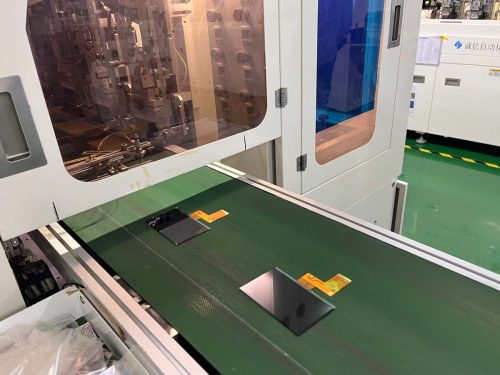
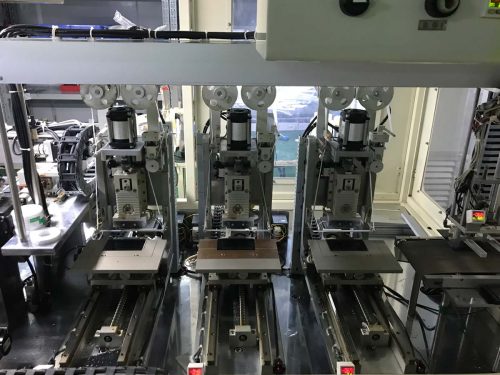
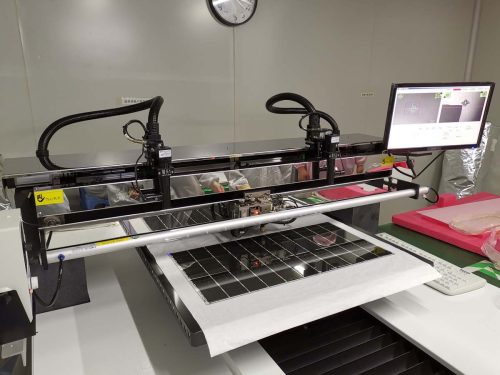
Glass cleaning requires controlled handling from incoming inspection through washing, rinsing, drying and final surface verification.
The cut TFT glass is checked for visible damage and contamination before cleaning begins.
Surface debris and loose particles are removed using a process appropriate for the glass and product design.
The TFT glass passes through the specified cleaning process to remove residues from critical surfaces.
The substrate is thoroughly rinsed to minimize remaining cleaning residues and contaminants.
The glass is dried under controlled conditions to reduce water marks and residual moisture.
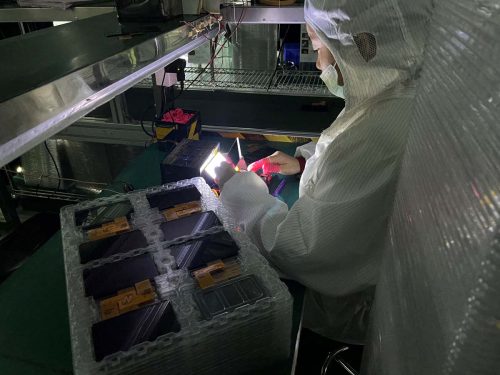
The cleaned TFT glass is checked before being transferred to the ACF lamination stage.
Process Relationship
The cleaned surface becomes the bonding interface used in the next stage. Consistent surface preparation is therefore a direct prerequisite for reliable ACF film placement.
Particles, moisture and processing residues are minimized before precision bonding begins.
A cleaner substrate provides a more consistent surface for anisotropic conductive film application.
Continue with ACF Lamination – Step 3.
Quality Assurance
The goal is a clean, dry and damage-free substrate ready for the fine-pitch bonding stages that follow.
Inspect critical surface areas for visible contamination.
Reduce remaining oils, films or processing residues.
Check the dried substrate for visible drying marks.
Identify scratches, chips or other defects before bonding.
Confirm that unnecessary moisture is not carried into the next process.
Maintain controlled handling after cleaning to avoid recontamination.
Production Flow
Glass cleaning follows panel cutting and prepares the TFT surface for ACF lamination and precision bonding.
Technical FAQ
Particles and surface residues can interfere with adhesive contact and fine-pitch electrical bonding, so the TFT glass is cleaned before ACF lamination.
Typical contamination can include dust, glass debris, fingerprints, processing residues and moisture.
Controlled drying helps reduce residual moisture and water marks before the panel enters the next manufacturing stage.
Yes. Controlled handling and storage after cleaning are important to reduce recontamination before ACF lamination.
The next stage is ACF lamination, where anisotropic conductive film is applied to the prepared TFT glass bonding area.
MAXEN supports customized TFT LCD display and touch screen solutions, including display selection, interface customization, touch integration and bonding solutions for industrial applications.



+86-13923461826