
New 7″ & 10.1″ Touch Displays with In-Cell Technology

by Maxen | Sep 02, 2026
New 7″ & 10.1″ Touch Displays with In-Cell Technology Featured Image
NEW PRODUCT LAUNCH

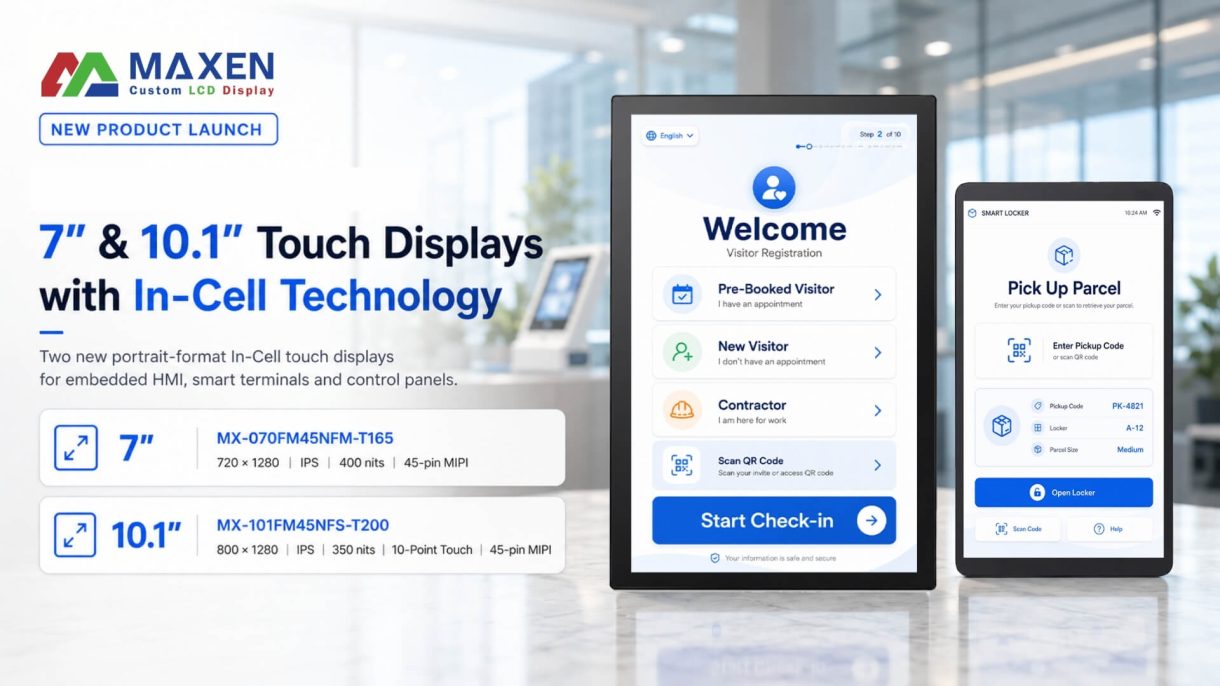
MAXEN has expanded its touch display portfolio with two new In-Cell touch displays: the 7 inch MX-070FM45NFM-T165 and the 10.1 inch MX-101FM45NFS-T200. Both models combine IPS display technology, portrait-format resolution, 45-pin MIPI interface and integrated capacitive touch functionality in compact display structure.

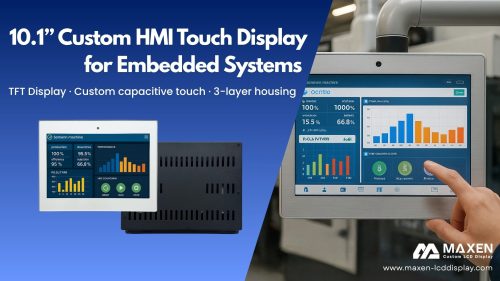
The 7 inch model features 720x1280 resolution and 400 cd/m² brightness, providing compact display option for embedded products with limited installation space. The 10.1 inch model offers 800 × 1280 resolution, 350 cd/m² brightness and support for up to 10-point multi-touch, providing larger interactive area for more information-rich user interfaces.

7 INCH IN-CELL DISPLAY

7 Inch In-Cell Touch Display

MX-070FM45NFM-T165

7 inch In-Cell touch display MX-070FM45NFM-T165 front view
Front View
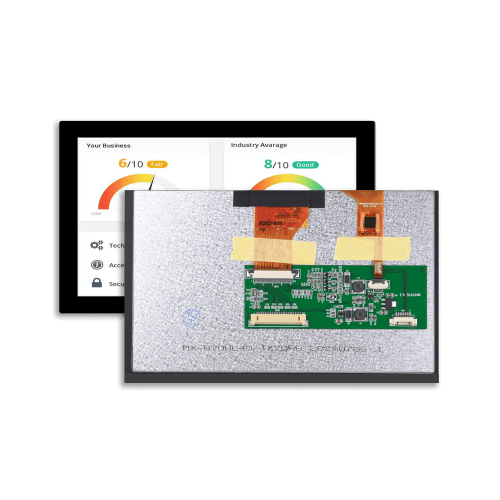
7 inch In-Cell touch display MX-070FM45NFM-T165 back view
Back View
720 × 1280Resolution
400 nitsBrightness
IPSDisplay
45-pin MIPIInterface

A compact portrait embedded touch display designed for smart terminals, control panels and other devices where installation space and integrated touch functionality are important.

View 7 Inch Product
10.1 INCH IN-CELL DISPLAY

10.1 Inch In-Cell LCD Touch Display

MX-101FM45NFS-T200

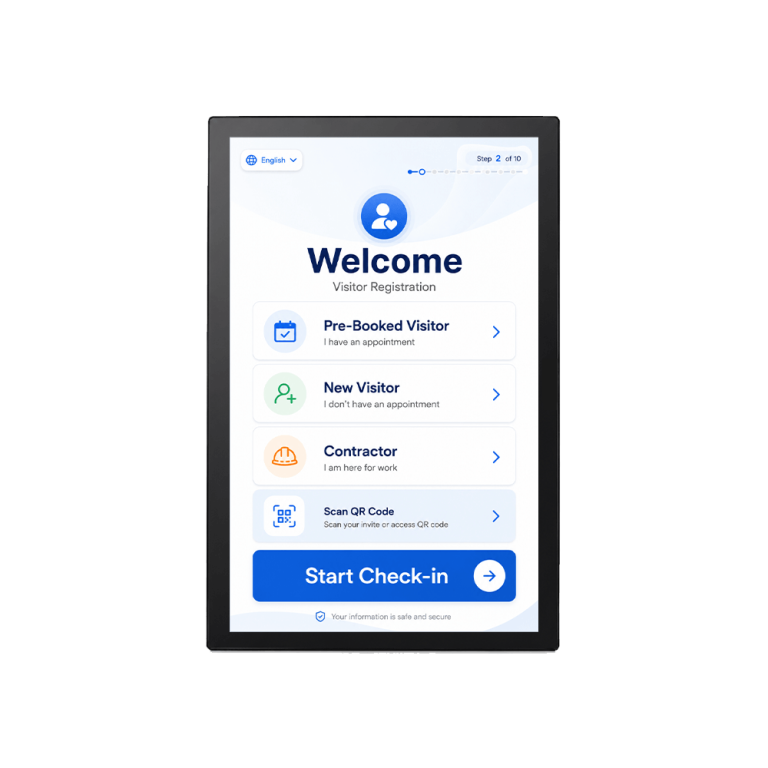
10.1 inch In-Cell LCD touch display MX-101FM45NFS-T200 front view
Front View
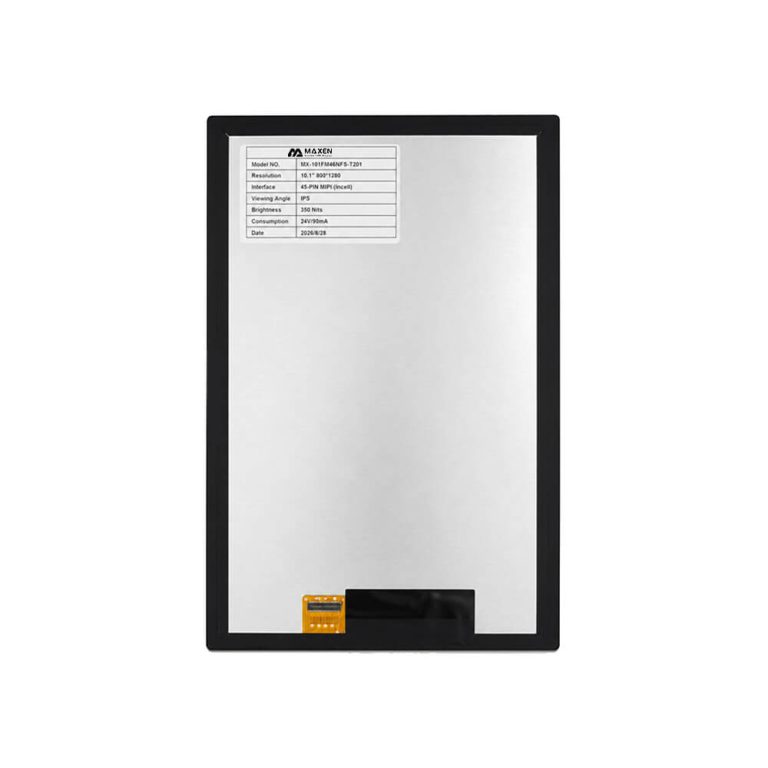
10.1 inch In-Cell LCD touch display MX-101FM45NFS-T200 back view
Back View
800 × 1280Resolution
350 nitsBrightness
10-PointMulti-Touch
45-pin MIPIInterface

A larger portrait integrated touch display featuring I²C capacitive touch and support for up to 10-point multi-touch for more information-rich embedded interfaces.

View 10.1 Inch Product

Unlike a conventional TFT LCD combined with a separate external PCAP touch sensor, In-Cell technology integrates touch sensing more directly into the LCD structure. This can reduce the number of separate display layers, support a thinner module design and simplify mechanical integration in compact devices.

With two different screen sizes, the new displays provide additional options for embedded touch display projects including control panels, access terminals, smart devices, embedded HMI systems and other interactive equipment.

IN-CELL TECHNOLOGY

What Is In-Cell Technology?

In-Cell technology integrates touch sensing into the LCD structure instead of using a completely separate external touch sensor layer.

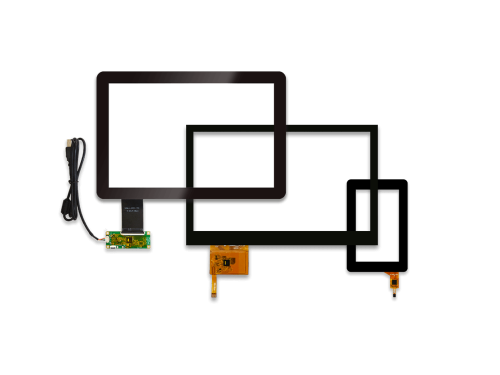
In a conventional capacitive touch display, the TFT LCD and touch sensor are normally separate components. A PCAP touch sensor is positioned above the LCD and may be assembled using an air gap or optical bonding process.

In-Cell technology uses a different structure by integrating the touch sensing function into the LCD cell itself. Instead of adding a completely separate touch sensor above the display, the touch function becomes part of the display architecture.

This integrated structure can help reduce module thickness, decrease optical parallax and simplify the mechanical design of compact embedded equipment.

Conventional LCD + PCAP
Cover Glass
PCAP Touch Sensor
Bonding Layer / Air Gap
TFT LCD
WHY IN-CELL?

Key Benefits of an Integrated Touch Display

The integrated display architecture provides several practical advantages for modern embedded products.

01

Thinner Display Structure

Reducing the need for a separate external touch sensor can help decrease the overall display stack and provide greater flexibility for products with limited installation depth.

02

Reduced Optical Parallax

Because the touch sensing function is positioned closer to the displayed image, the distance between the user's touch position and the image can be reduced.

03

Simplified Integration

A more integrated LCD and touch structure means fewer separate display layers need to be considered during mechanical and front-panel design.

04

Integrated Capacitive Touch

The display and capacitive touch functions are combined into a compact module structure suitable for responsive embedded user interfaces.

Note: In-Cell technology and optical bonding are different concepts. In-Cell describes how touch sensing is integrated into the display, while optical bonding describes how separate layers such as cover glass and LCD are bonded together.
APPLICATIONS

Applications for In-Cell Touch Displays

The compact structure, portrait format and integrated touch functionality make these displays suitable for a variety of embedded and interactive equipment.

01

Embedded HMI

An embedded HMI can use the display to present operating parameters, system status, menus and graphical controls within a compact front-panel area.

02

Access Control & Smart Terminals

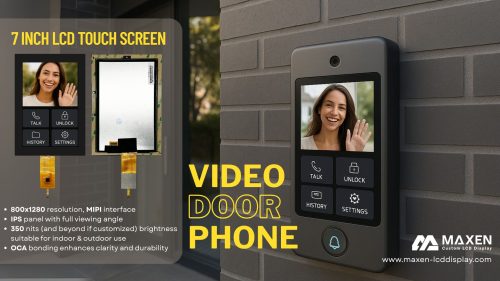
Portrait-oriented embedded touch displays can be integrated into access control terminals, visitor systems, authentication devices and smart terminals.

03

Smart Home & Building Control

Suitable for wall-mounted control panels, building automation systems and smart home interfaces requiring a clean and responsive touch interface.

04

Medical & Healthcare Equipment

Compact integrated displays can be considered for medical control panels, monitoring equipment and portable healthcare devices.

05

Portable & Handheld Devices

The reduced display stack makes an integrated touch display suitable for handheld controllers, portable instruments and compact electronic devices.

06

Self-Service & Commercial Equipment

The larger 10.1 inch option can support self-service terminals, commercial control systems and information interfaces requiring more interactive screen space.

EXPANDING THE IN-CELL PORTFOLIO

More In-Cell Options for Embedded Display Projects

The launch of these 7 inch and 10.1 inch models expands MAXEN's touch display portfolio with additional In-Cell technology options for embedded product development.

MAXEN supports display and touch customization including cover glass design, surface treatments, brightness adjustment, interface integration and mechanical customization.

Discuss Your Project

New Launches

More New Launches

All New Launches
Select Your Language